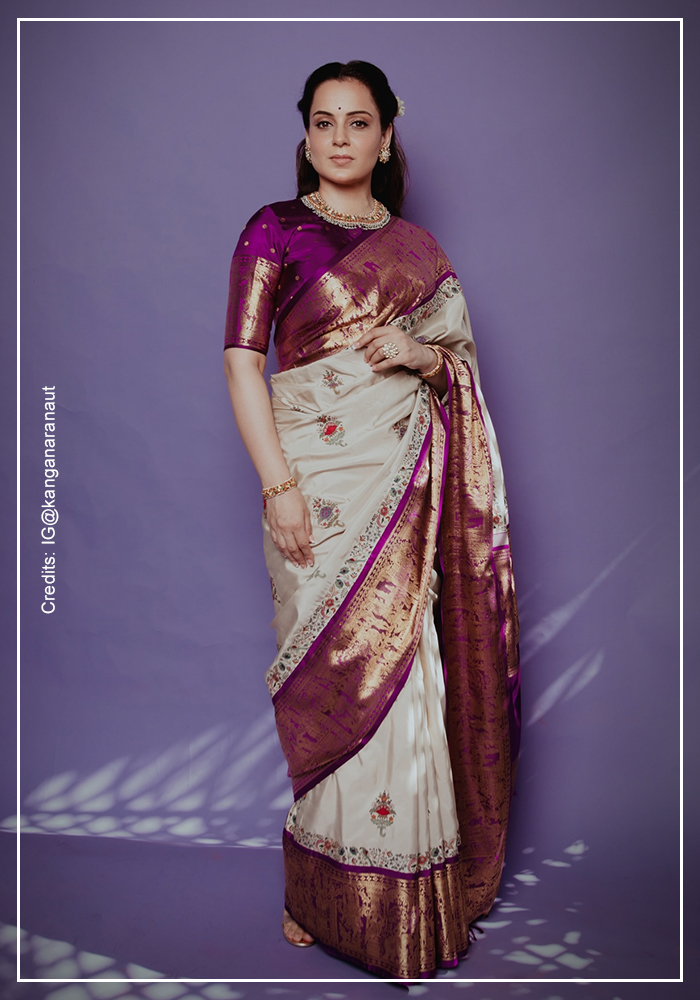
The saree is far more than an unstitched length of fabric—it is a cultural identity woven into India’s history. Draped for centuries, it reflects regional traditions, social change and artistic evolution. Here’s a concise look at how the saree travelled through time and transformed along the way:
Indus Origins
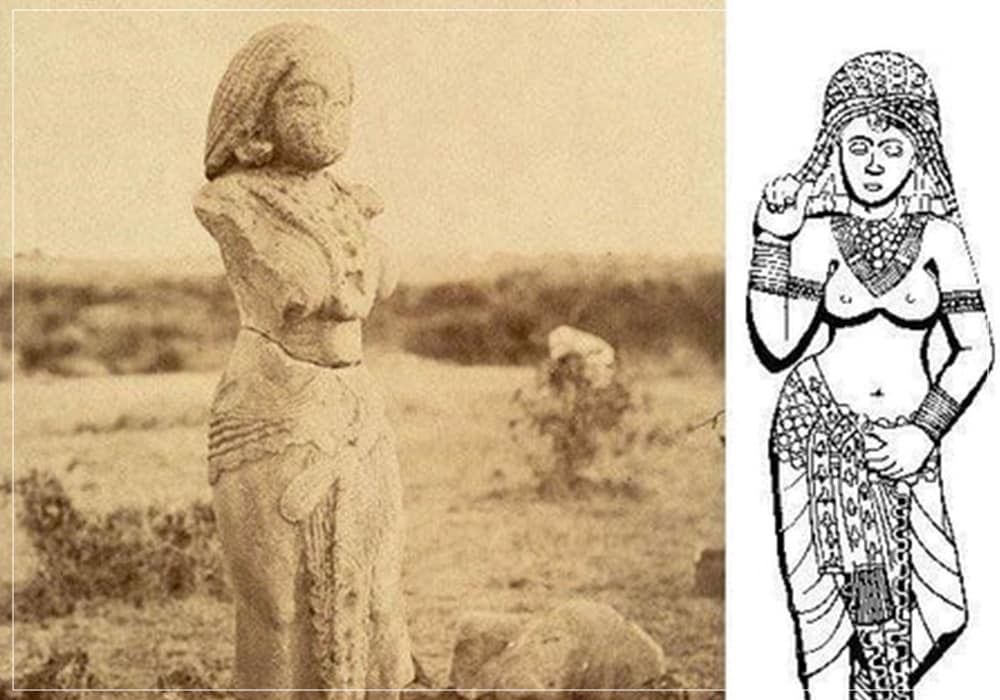
The saree’s beginnings trace back to the Indus Valley Civilization (2800–1800 BCE). Early draped garments resembled today’s saree forms, with women wearing an antariya lower drape and a stanapatta breast band—offering comfort and ease of movement.
Classical India
Vedic references and ancient sculptures reveal saree drapes similar to the nivi style we know today. The traditional kachcha drape, still seen across regions, reflects this era’s continuity.
Mughal Influence
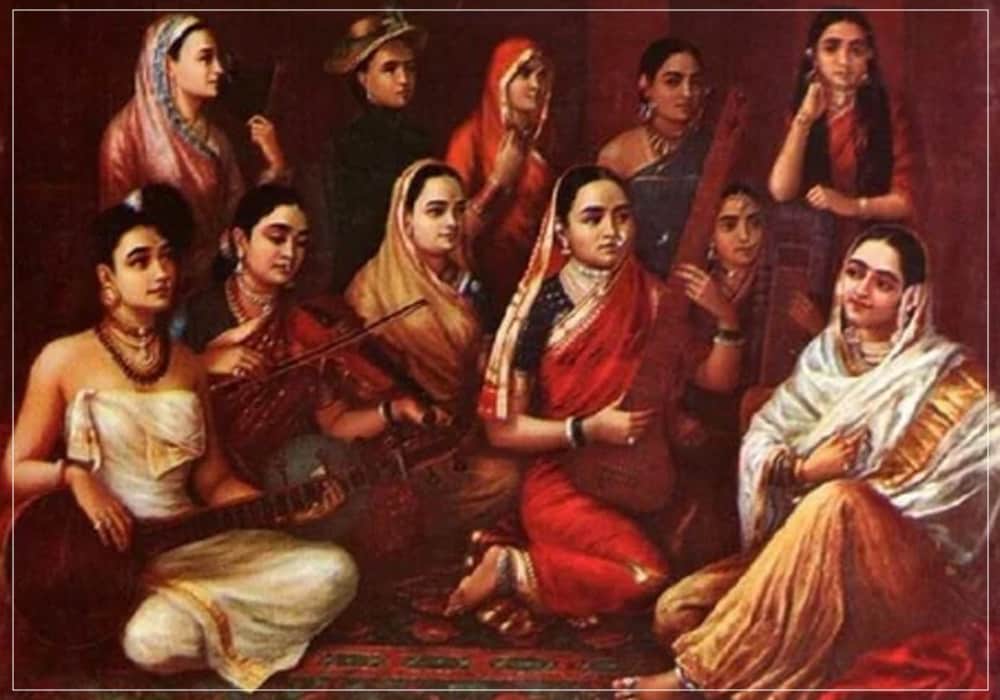
The Mughal courts elevated the saree into luxury fashion. Rich silks, brocades and intricate embroidery techniques like zardozi and tanchoi flourished, creating iconic traditions such as Banarasi, Paithani and Patola.
Colonial Shift
British rule introduced the blouse and petticoat, reshaping the silhouette’s dressing norms. Though rooted in Victorian modesty, this change opened creative space for new blouse cuts, sleeves and fabrics.
Check out the modern saree blouse designs trending now: https://www.azafashions.com/blog/celebrity-inspired-blouse-sleeve-designs/
Bengal Renaissance
In the 19th century, Jnanadanandini Devi revolutionised draping by introducing the now-popular shoulder pleat style. Her influence, along with Suniti Devi’s styling touches, blended Indo-Western fashion long before modern fusion trends.
Post-Independence Identity
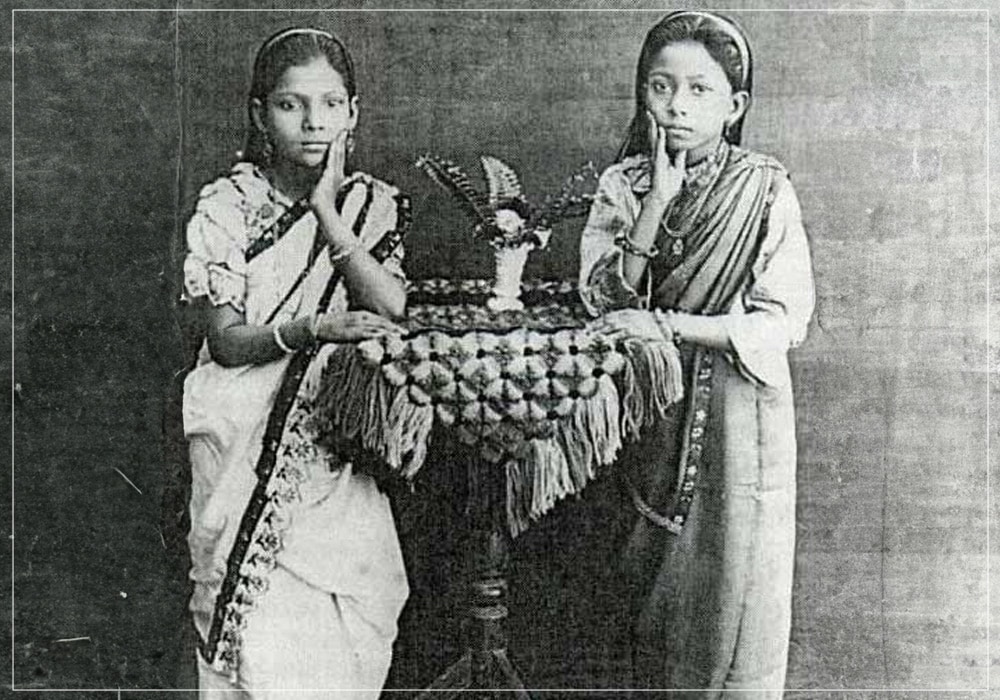
After 1947, the saree became a symbol of national pride. Leaders wore it proudly, handlooms thrived, and it evolved into everyday attire for working women and students.
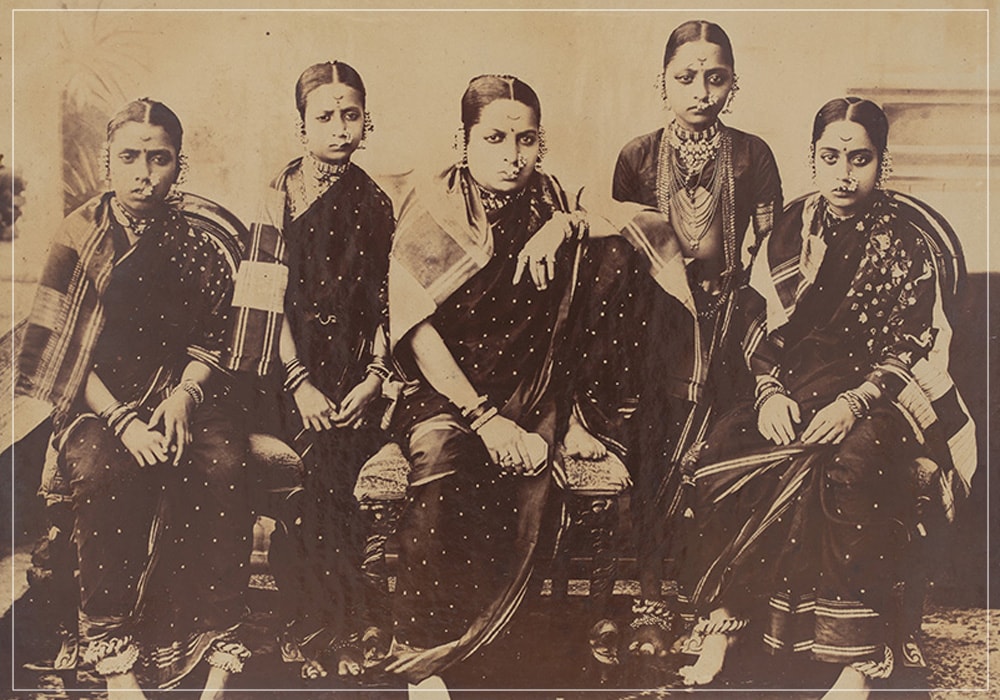
Modern Revival
Today’s saree merges tradition with experimentation—ruffles, stitched pleats, pre-draped silhouettes, pant-style drapes, and bold modern fabrics join classic silks and handlooms.
Learn more about pre-draped sarees and why they are slowly becoming the future of Indian fashion: https://www.azafashions.com/blog/pre-draped-sarees-the-future-of-indian-fashion/
Global Spotlight
From runways to red carpets, the saree now shines worldwide. Fusion saree gowns and contemporary styling have taken this ancient garment global.
Smitten by saree gown trend? Here’s your guide to choosing the right one: https://www.azafashions.com/blog/saree-gowns-online/
Bollywood & The Saree: Cinema’s Most Iconic Love Story
If India shaped the saree culturally, Bollywood shaped its glamour. On-screen, this garment transformed from traditional attire into a powerful symbol of sensuality, stardom and timeless beauty—evolving with each decade and each leading lady.
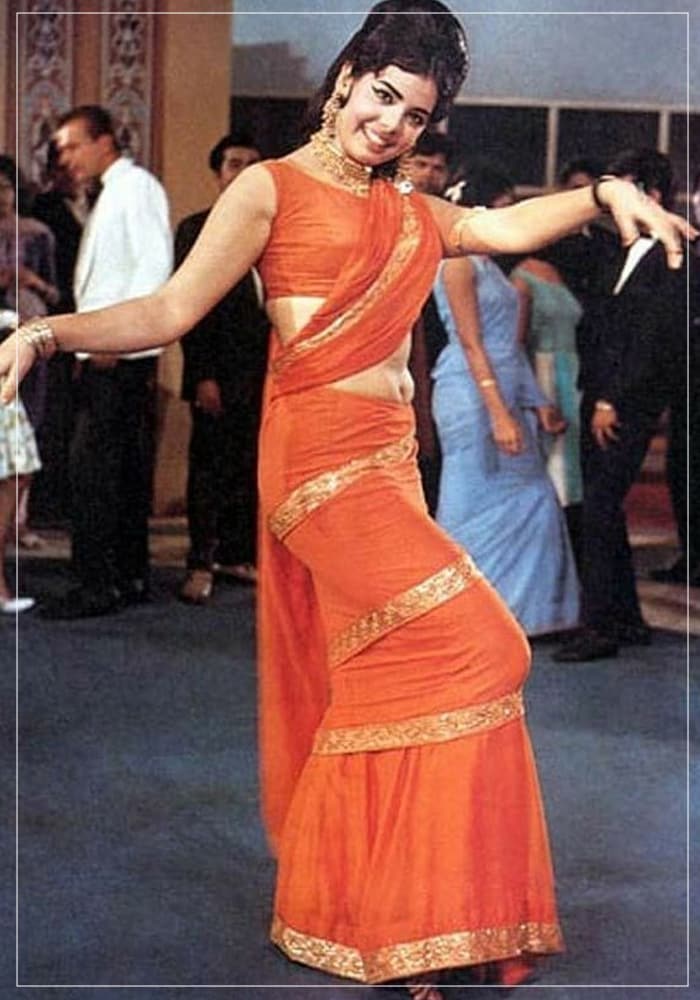
1960s–70s: The Beginning – Brahmachari and Retro Charm
The late ’60s brought a new visual identity to the saree. Movies like Brahmachari showcased heroines in lightweight chiffons, bold blouses and playful drapes. This era moved the saree away from heavy silks and traditional pleats, introducing colour-forward styling, body-flattering shapes and that now-iconic Bollywood glamour.
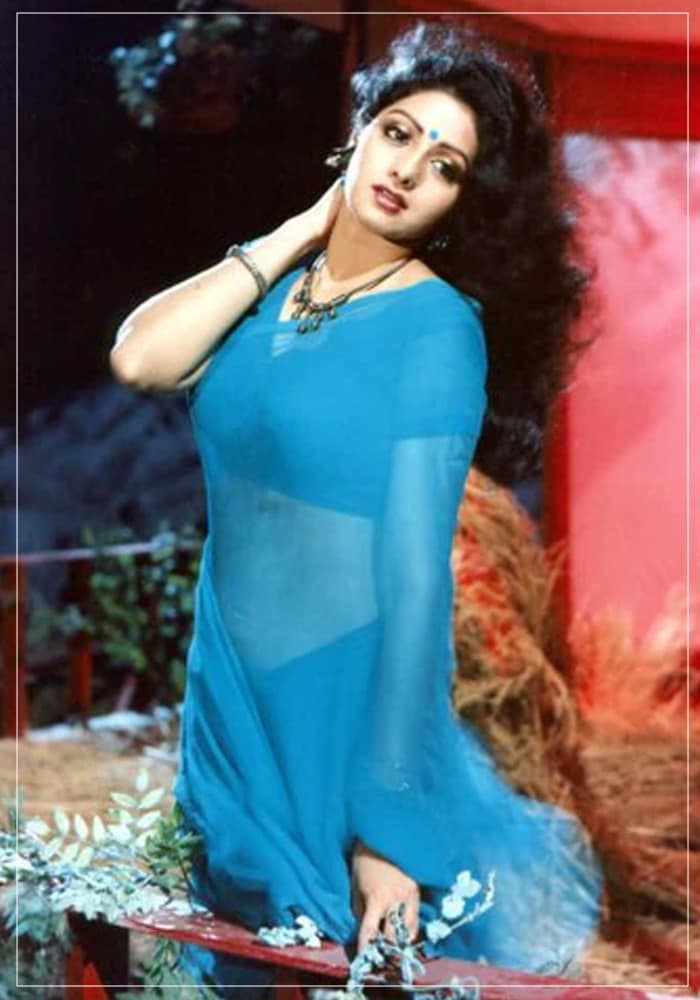
980s: Sridevi & The Chiffon Revolution
Then came the queen who changed everything—Sridevi. Her blue chiffon saree in Mr. India redefined sensuality for Indian cinema. Suddenly, sarees weren’t just elegant—they were magnetic, fluid and cinematic. Pastel chiffons, sequins, rain sequences and fitted blouses became signature Bollywood saree elements throughout the ’80s and early ’90s, thanks to her influence.
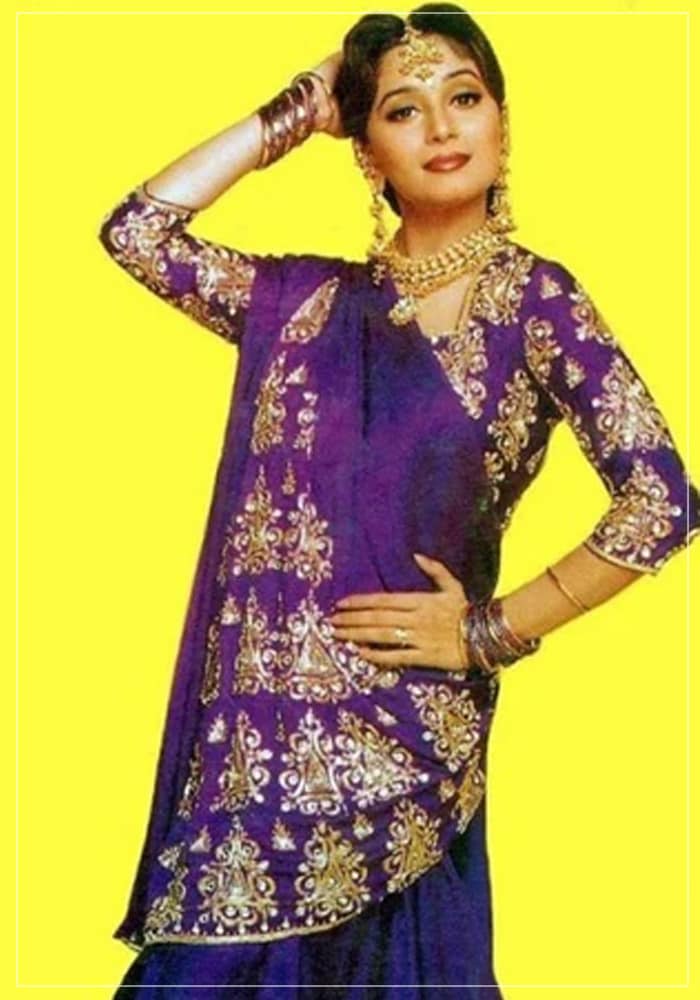
1990s: Madhuri Dixit Makes It Magical
The ’90s belonged to Madhuri Dixit, who brought movement and grace to sarees. Her purple saree in Hum Aapke Hain Koun..! and the fiery red drape in Dhak Dhak became cultural milestones; stores across India instantly replicated her looks. Madhuri made sarees vibrant, romantic and aspirational—bridging traditional silhouettes with youthful aesthetics.
2000s: Priyanka Chopra Reinvents Bold Glam
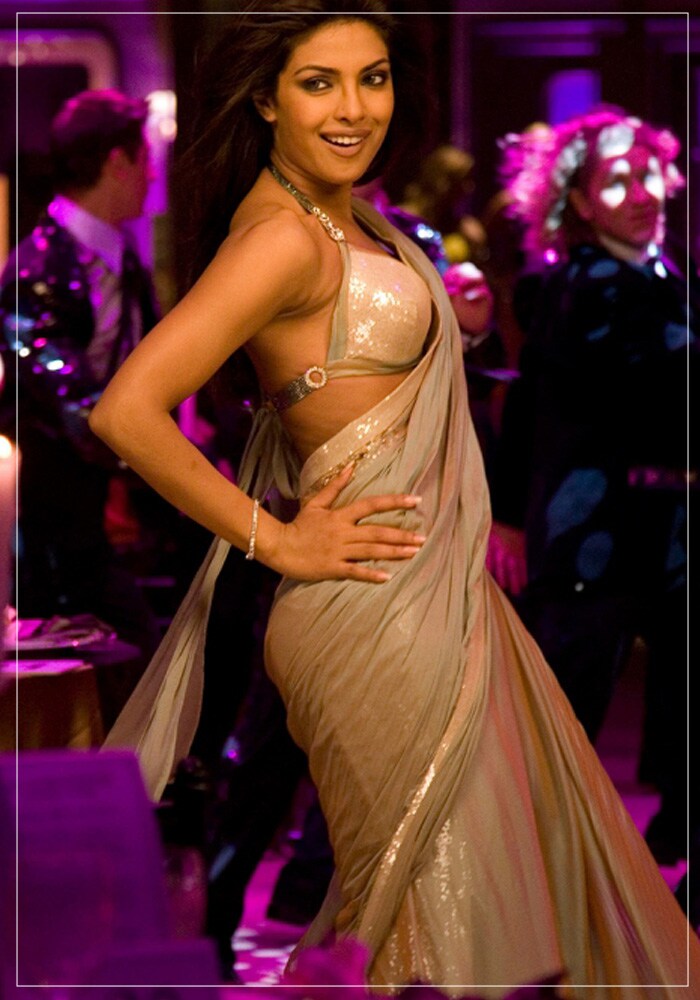
The 2000s saw the saree get bolder and more experimental. Priyanka Chopra reintroduced the saree as a modern fashion statement—structured blouses, halter necklines, metallic textures and body-hugging chiffons became mainstream. Her black and gold saree in Dostana sparked a nationwide trend—suddenly, sarees looked red carpet ready, not just festive.
2010s to Today: Alia Bhatt Turns It Minimal & Global
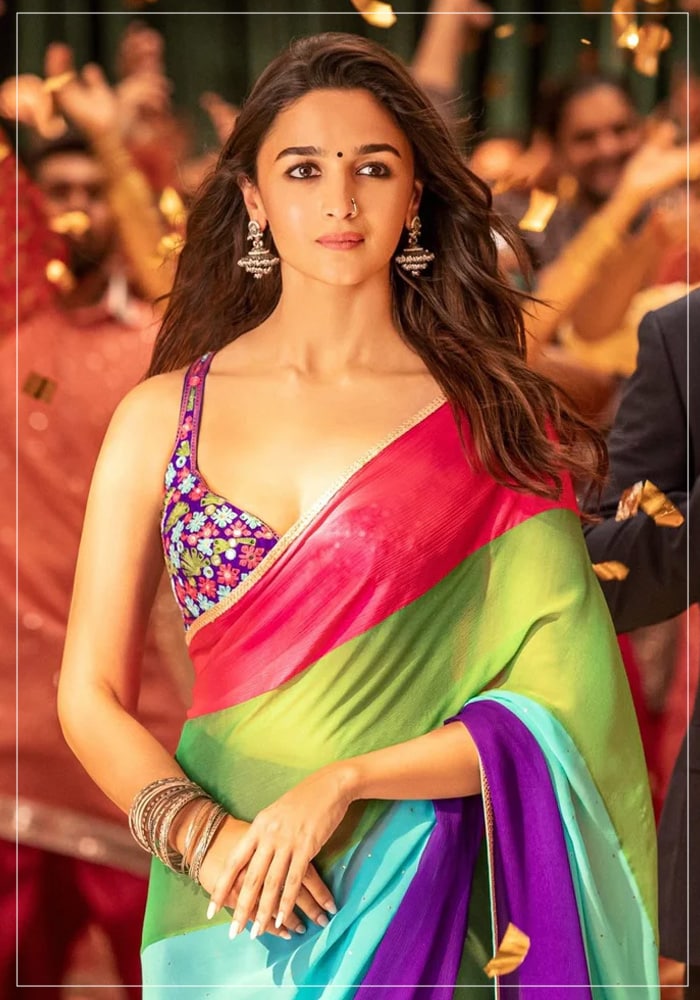
In the modern era, Alia Bhatt has brought youthful softness to saree fashion. Her pastel Organza sarees, signature floral prints, sleek drapes and contemporary blouses reflect today’s aesthetic—effortless, minimal and globally appealing. She represents Gen-Z saree culture: wearable luxury that blends heritage with fresh styling.
Aza’s Contemporary Saree Edit: Classic Weaves With a Modern Twist
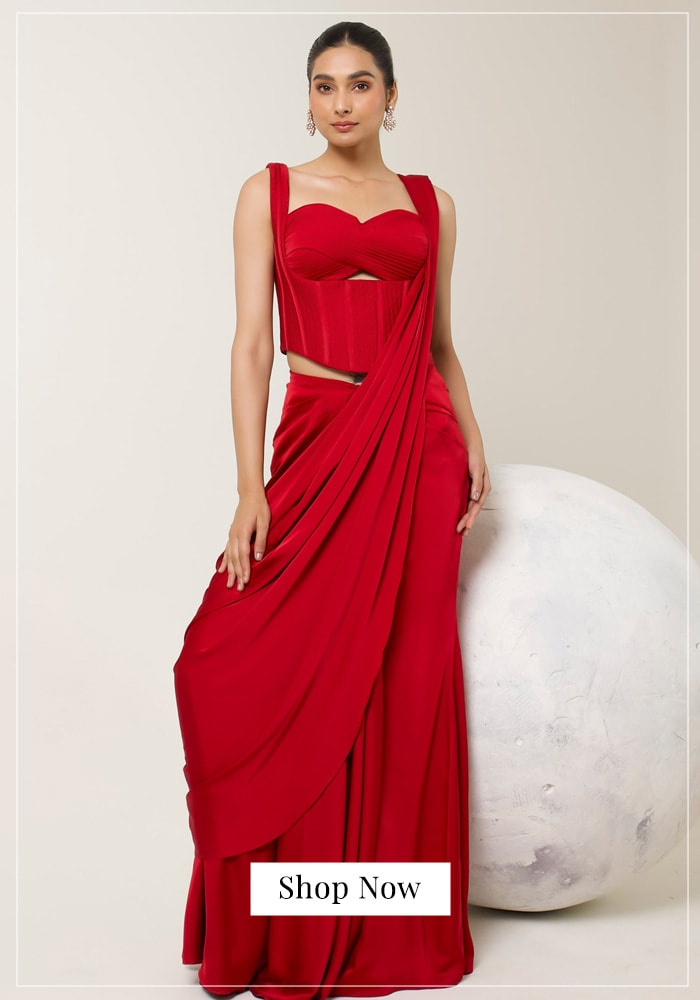
1. Corset Sarees:
Structured corset blouses give sarees a sculpted, glamorous finish, perfect for red-carpet drama. Corset sarees redefine traditional drapes with bold silhouettes and confident styling.
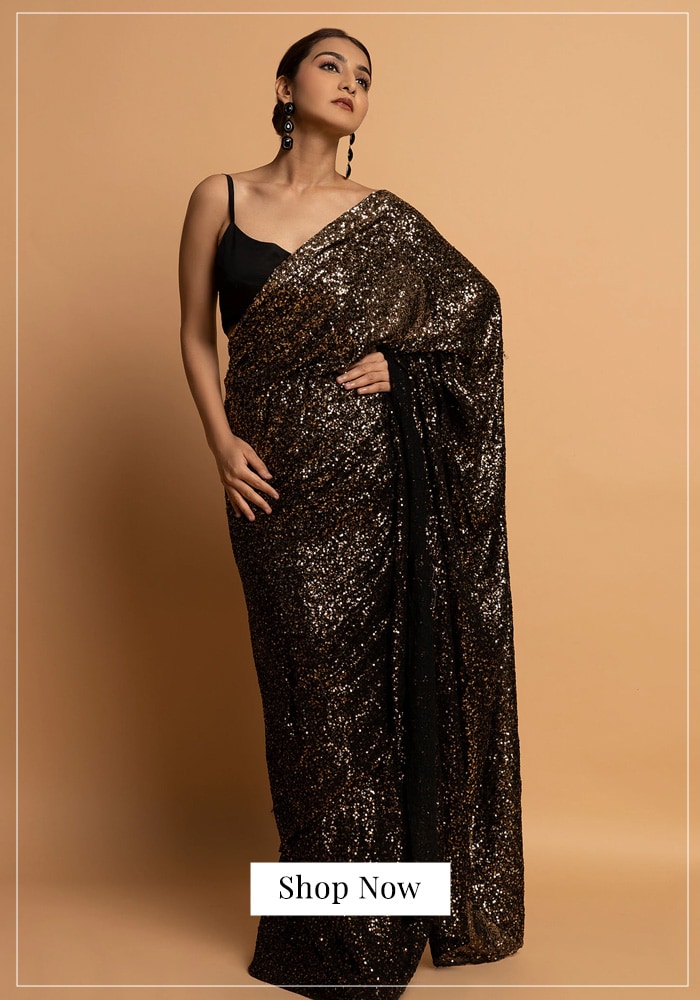
2. Sequin Sarees
Drenched in sparkle, sequin sarees add instant glamour and festive shine. They’re a go-to choice for evening celebrations, cocktail nights, and celeb-inspired looks.
3. Mermaid Sarees:
Fitted through the hips and flared at the hem, mermaid sarees celebrate curves with dramatic flair. They make for stunning silhouettes at glamorous events and receptions.
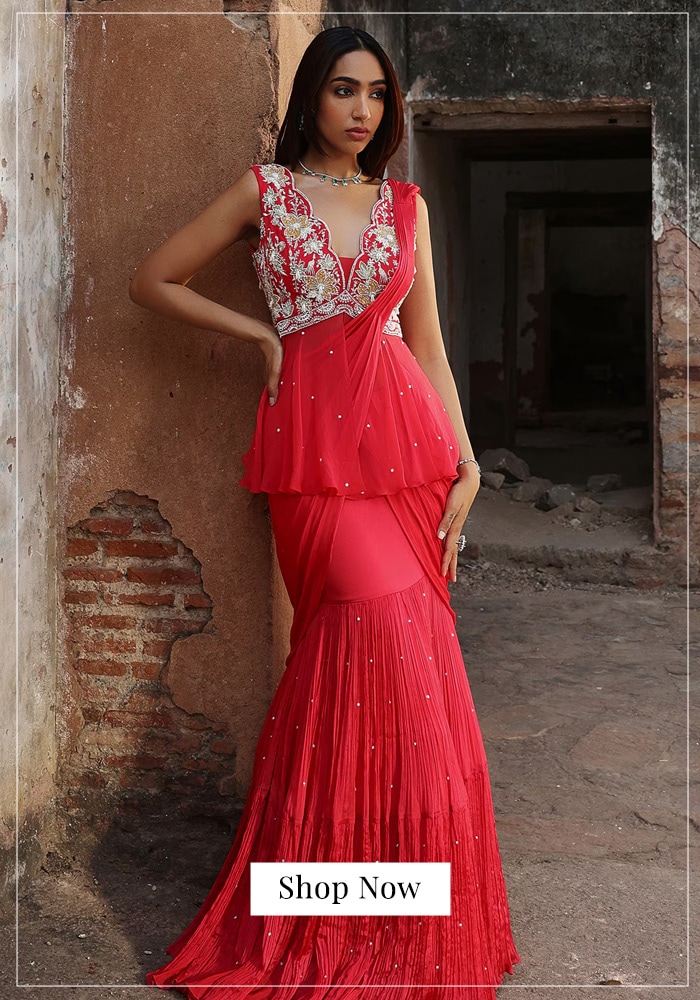
4. Ruffle Sarees
With cascading ruffles and playful movement, these sarees bring a flirty, feminine twist to classic drapes. Ruffle sarees are deal for modern weddings and youthful styling.
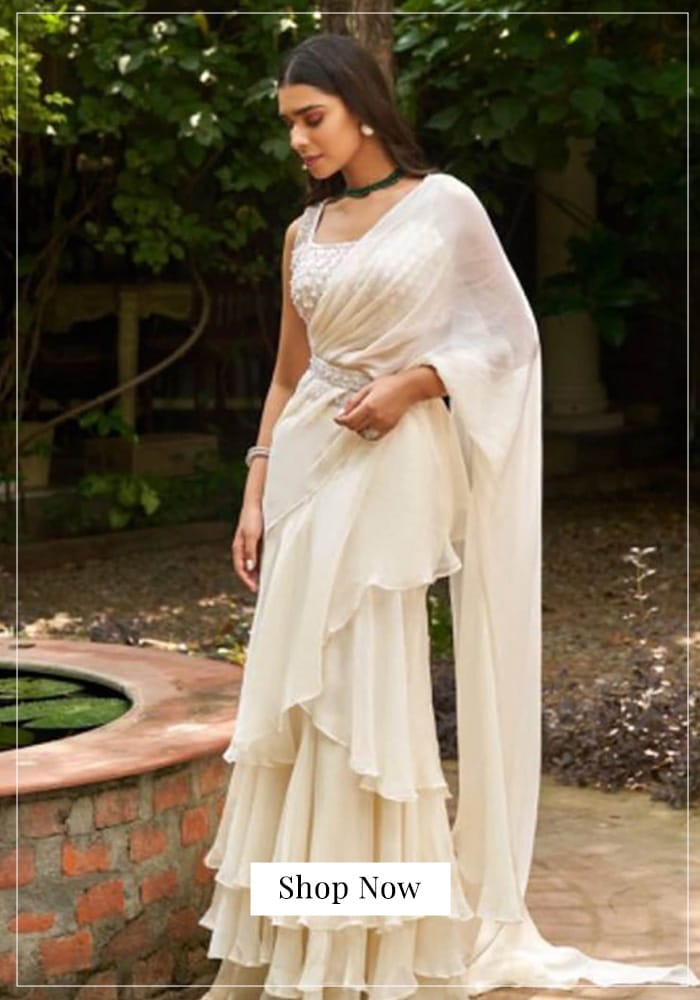
5. Cape Sarees
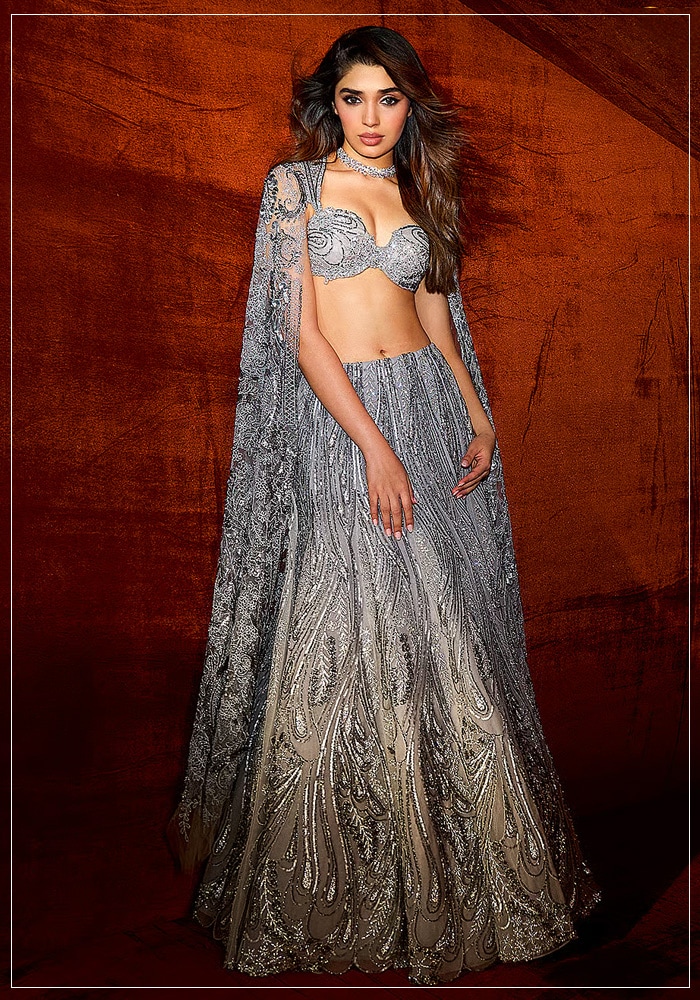
Cape overlays add a regal, contemporary touch to sarees, blending modesty with style. They’re a perfect pick for fusion events and statement entrances.

6. Tissue Sarees
Lightweight, glossy and luxurious, tissue sarees offer effortless elegance. Their shimmering finish stands out at grand occasions without heavy embroidery.
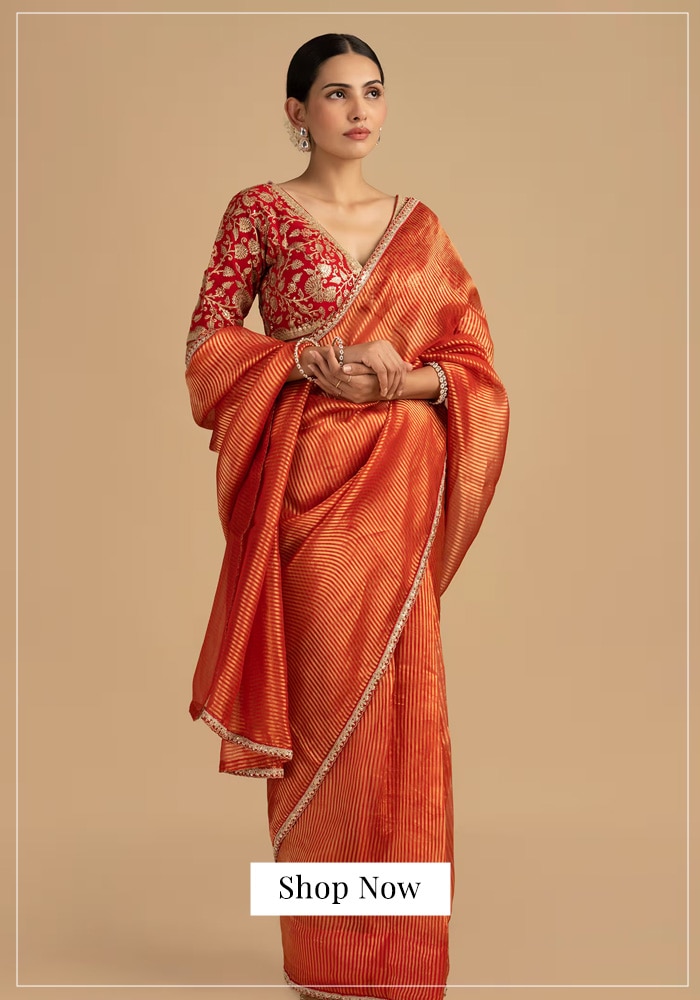
7. Jacket Sarees
Paired with structured jackets, these sarees balance heritage with power dressing. They create strong, fashion-forward outfits ideal for winter weddings and high-fashion edits.
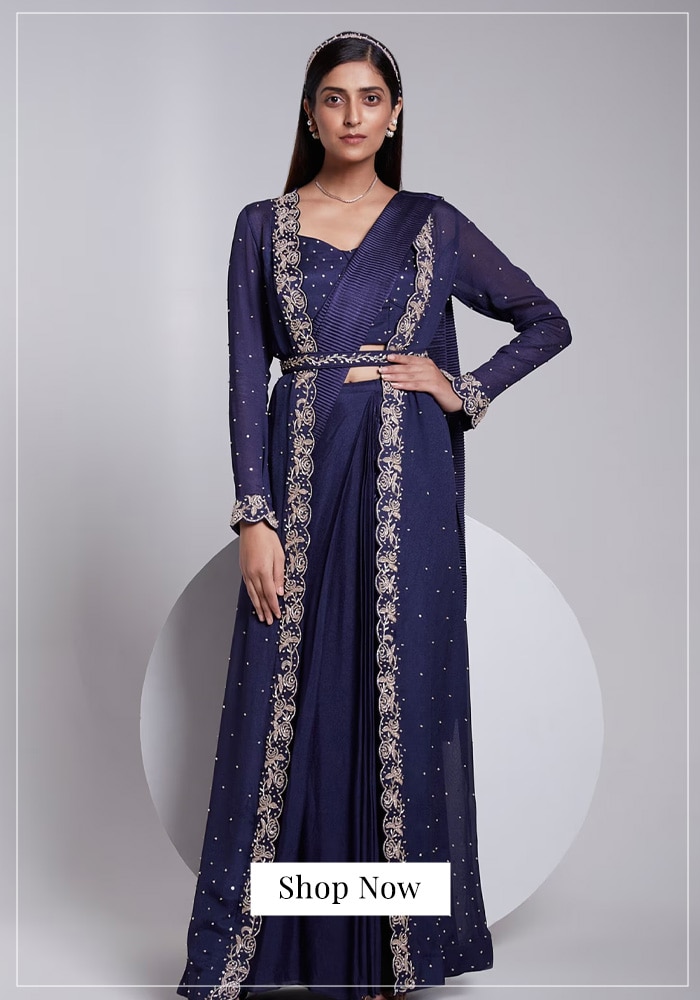
8. Dhoti Saree
Draped with dhoti bottoms, these sarees offer comfort and edge in equal measure. A trend loved by Gen-Z, dhoti sarees perfect for dance nights and destination weddings.

The post The Timeless Saree: From India’s Heritage to Aza’s Edit of Modern Trending Drapes appeared first on Aza Editorials.