Choosing the right footwear can make or break an outfit, but the decision often comes down to more than just style. The great debate between heels and wedges is a perfect example. Both elevate your look, but they offer vastly different experiences in comfort, stability, and versatility. Whether you’re dressing for a wedding, a day at the office, or a casual brunch, understanding the unique traits of each can help you step out in confidence and comfort.
This guide will walk you through the key differences between heels and wedges. We’ll cover everything from their construction to the best occasions for each, helping you decide which style deserves a spot in your closet.
What Are Heels? The Classic Elevators
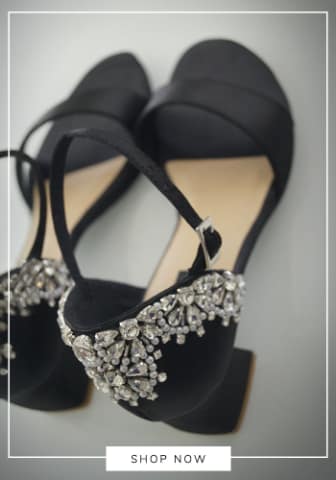
Heels are defined by a distinct, separate heel that lifts the back of the foot. This category is incredibly diverse, featuring various heights and shapes. The most iconic is the stiletto, known for its thin, towering spike that creates a dramatic silhouette. Other common types include block heels, which offer more surface area and stability, and kitten heels, which provide a subtle lift.
The primary function of a traditional heel is to elongate the legs and refine posture, creating a polished and often formal look. The separation between the heel and the sole forces the foot into a specific arch, which is key to its signature aesthetic but can also be a source of discomfort and instability.

What Are Wedges? The Stable Sophisticates
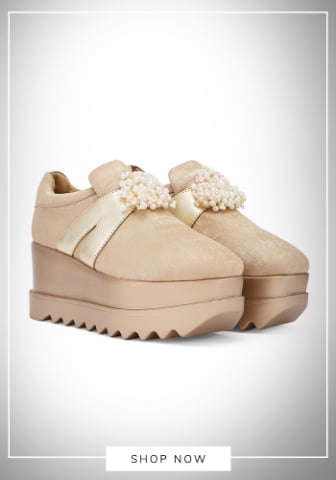
Wedges also elevate the foot, but they do so with a single, continuous sole that runs from the back of the shoe to the front. The sole is thicker at the back and tapers toward the toe, creating a “wedge” shape. This design distributes body weight across the entire foot, rather than concentrating it on the ball of the foot and the heel point.
This construction makes wedges significantly more stable and often more comfortable than traditional heels. They come in a wide range of styles, from casual espadrilles with rope-covered soles popular in the summer to sleek, leather-wrapped wedges suitable for a more professional setting.
Heels vs. Wedges: Key Differences
Heels
- Create a classic, sharp, and formal silhouette
- Associated with elegance and sophistication
- Can be uncomfortable for long wear due to pressure on the ball of the foot
- Offer less stability, especially thin heels like stilettos
- Best for formal events (black-tie, corporate settings, date nights, cocktail parties)
- Versatility varies: stilettos are less versatile; block heels can transition from day to night
Wedges
- Provide a relaxed, grounded, and often casual look
- Range in style from bohemian to chic
- More comfortable due to even weight distribution
- Offer excellent stability and are easier to walk in on uneven surfaces
- Great for outdoor events (garden weddings, daytime parties, brunches, casual wear)
- Highly versatile—can be dressed up or down
When to Choose Heels
Heels are the undisputed champions of formal elegance. They bring a level of polish and sophistication that is hard to match.
For Formal and Professional Settings
In the American workplace and at formal events, a classic pump or stiletto is often the standard. They pair perfectly with business suits, cocktail dresses, and evening gowns to create a sleek, powerful look. For occasions that demand a high degree of formality, like a black-tie gala or a corporate awards dinner, a traditional heel is almost always the right choice.
For a Sculpted Silhouette
The distinct arch created by a heel fundamentally changes your posture, engaging calf muscles and elongating the leg line. If your primary goal is to create the most refined and statuesque silhouette possible for a specific outfit, the classic heel is your best friend.
When to Choose Wedges
Wedges offer the perfect blend of height and comfort, making them a practical and stylish choice for a wide variety of situations.
For Outdoor and Daytime Events
If you’ve ever tried to walk across a lawn in stilettos, you know the struggle. Wedges are the ultimate solution for outdoor events in the US, from garden weddings to vineyard tours and backyard barbecues. The solid sole prevents you from sinking into soft ground, providing stability where heels fail. Their more casual vibe also makes them a natural fit for daytime gatherings.
For All-Day Comfort
When you need height but have a long day of standing or walking ahead, wedges are the clear winner. By distributing your weight evenly, they reduce the pressure on the balls of your feet and provide better arch support. This makes them a go-to choice for teachers, retail workers, and anyone who wants to stay comfortable without resorting to flats. Espadrille and cork wedges are especially popular for American summer vacations and casual weekend outings.
Key Takeaways
Feeling torn between the two? Here’s a quick summary to help you make the right call:
- Choose heels for formal events, professional settings, and when you want to achieve a sharp, classic, and elegant silhouette. They are the top choice for adding a touch of glamour to an evening look.
- Choose wedges for outdoor events, all-day wear, and casual occasions where you want both height and stability. They offer superior comfort without sacrificing style.
- Heels concentrate pressure, offering less stability but a more refined look. Wedges distribute pressure, providing more stability and comfort.
Ultimately, the best choice depends on the occasion, the outfit, and your personal comfort priorities. A well-rounded shoe collection has room for both, ensuring you’re perfectly prepared for any event that comes your way.
Ready to find your sole-mate? Explore our curated collection of stylish heels and comfortable wedges to elevate your look today.
The post Heels vs. Wedges: Which Is Right for You? appeared first on Aza Editorials.