In the world of fashion, comfort and style are increasingly going hand in hand. Two garments that perfectly capture this blend are the kaftan and the kurta. Both have made their way into mainstream American fashion, celebrated for their elegant silhouettes and effortless wearability. While they might seem similar with their loose, flowing designs, they come from different cultural backgrounds and have distinct features.
Understanding the nuances between a kaftan and a kurta can help you choose the right piece for the right occasion. Whether you’re looking for a chic beach cover-up, a comfortable outfit for running errands, or an elegant ensemble for a special event, this guide will break down everything you need to know about these two versatile garments.
What is a Kaftan? The Flowing Robe
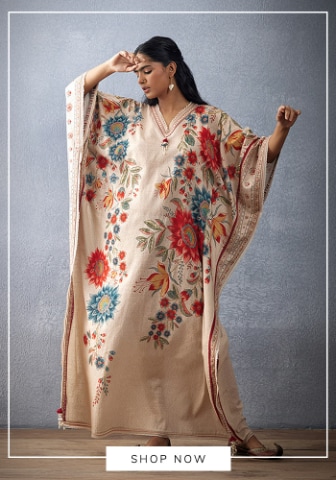
A kaftan is a long, loose-fitting robe or tunic with historical roots in the Middle East and North Africa. Traditionally, it was worn by both men and women across various cultures, often as an overgarment. Its defining characteristics are its flowing, relaxed silhouette and wide, often dramatic sleeves. Kaftans are typically open at the front and can be pulled over the head or fastened with buttons or ties.
Today’s kaftans have evolved into a global fashion statement. They can be made from a wide range of fabrics, from casual cotton and linen for beachwear to luxurious silk and chiffon for formal evening wear. Their unstructured design makes them incredibly comfortable and universally flattering, offering a look that is both bohemian and sophisticated.
What is a Kurta? The Timeless Tunic
A kurta is a traditional garment from South Asia, tracing its origins back to ancient times. It is a collarless or stand-collared tunic that typically falls to the knees or longer, featuring a straighter, more tailored cut compared to a kaftan. Kurtas have side slits that allow for ease of movement and are often worn by both men and women over pants like pajamas, churidars, or even jeans.
While traditional kurtas are known for specific necklines and cuts, modern interpretations have introduced a wide variety of styles, fabrics, and designs. In the US, the kurta has become popular for its versatility. It can be a simple, everyday cotton tunic or an elaborately embroidered piece made of silk for festive occasions like Diwali or weddings.
Kaftan vs. Kurta: Key Differences
Kaftan
- Origin: Middle East and North Africa
- Silhouette: Loose, flowing, relaxed; often unstructured with wide sleeves
- Length: Traditionally long (ankle-length), though modern variations exist
- Fabric: Wide range—cotton, rayon, silk, chiffon, and more
- Occasion: Very versatile; suitable for beachwear, loungewear, or formal evening wear
- Design: Frequently features vibrant prints, embroidery, or beadwork, especially in formal styles
Kurta
- Origin: South Asia (India, Pakistan, etc.)
- Silhouette: Straighter and more defined cuts with side slits for ease of movement
- Length: Typically knee-length or longer; shorter versions (kurtis) are common
- Fabric: Can be made from many fabrics, with cotton and silk being traditional favorites
- Occasion: Ranges from everyday casual wear to festive and formal events
- Design: Includes traditional necklines, plackets, and region-specific embroidery styles
The Rise of the Kaftan Kurta
To add a stylish twist, fashion has created a beautiful hybrid: the kaftan kurta. This fusion garment combines the loose, flowing silhouette and wide sleeves of a kaftan with the traditional design elements of a kurta, like its neckline or hemline. The result is a versatile piece that feels both bohemian and elegantly traditional, perfect for those who love the comfort of a kaftan but want a slightly more structured look.
When to Choose a Kaftan
The kaftan is your go-to when you want to achieve a look of relaxed, effortless glamour.
For Beach Days and Resort Wear
In the US, the kaftan has become synonymous with vacation style. Its breezy, lightweight nature makes it the perfect cover-up to throw on over a swimsuit. A colorful, printed kaftan takes you from the pool to a seaside lunch with ease.
For At-Home Lounging and Hosting
The comfort of a kaftan is unmatched, making it an elegant choice for lounging at home. If you’re hosting a casual get-together, a beautiful kaftan allows you to look chic and feel completely at ease.
For Formal Events
Don’t underestimate the kaftan for formal wear. A floor-length kaftan made from silk, satin, or embellished with intricate beadwork can be a stunning and unique choice for a wedding, gala, or evening party. It offers a sophisticated alternative to a traditional gown.
When to Choose a Kurta
A kurta is the perfect choice for versatile, everyday elegance and culturally significant events.
For Everyday Casual Style
A simple cotton or linen kurta paired with jeans or leggings is a comfortable and stylish outfit for daily wear in the US. It’s a popular choice for running errands, meeting friends for coffee, or a casual day at work, offering more coverage and a different silhouette than a standard t-shirt.
For Festive and Cultural Occasions
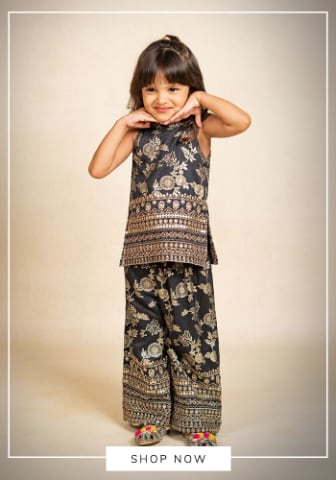
For celebrations like Diwali, Eid, or South Asian weddings, the kurta is a wardrobe staple. Embroidered or block-printed kurtas made from rich fabrics like silk or brocade are worn to honor tradition while showcasing personal style.
For a Polished, Semi-Formal Look
A well-tailored kurta can be dressed up for semi-formal events. Paired with tailored trousers and elegant accessories, a silk or chiffon kurta can be a chic and comfortable choice for a dinner party, art gallery opening, or family celebration.
Key Takeaways
Feeling a little wrapped up in the details? Here’s a simple summary to guide you:
- A kaftan is a loose, flowing robe with Middle Eastern origins, perfect for relaxed, bohemian, or glamorous looks. Choose it for beachwear, lounging, or as a statement piece for formal events.
- A kurta is a more structured tunic from South Asia, known for its straight cut and side slits. It’s ideal for everyday wear, professional settings, and traditional festive occasions.
- Think of the silhouette: kaftans are generally unstructured and flowy, while kurtas have a more defined, straight cut.
Both the kaftan and the kurta offer unique blends of comfort, history, and style. By understanding their distinct personalities, you can easily incorporate these beautiful garments into your wardrobe for any occasion.
Ready to explore these elegant styles? Browse our curated collection of breezy kaftans and timeless kurtas to find the perfect piece to express your style.
The post Kaftan vs. Kurta: What’s the Difference? appeared first on Aza Editorials.