Spring brings a refreshing sense of renewal to the United Kingdom. For the UK Bengali community, this seasonal shift also signals the arrival of Poila Boishakh UK celebrations. This vibrant festival marks the very beginning of the Bengali New Year. It usually falls in mid-April and brings together people from West Bengal and Bangladesh in a massive shared diaspora celebration.
For Bengalis living in the UK, this specific day holds immense emotional value. It acts as a bridge between their distant homeland and their current lives abroad. The festival offers a rare moment to pause, reflect, and fully immerse themselves in the rich tapestry of Bengali traditions. In this guide, we will explore exactly how the diaspora marks this special occasion. You will discover the lively community events, the traditional feasts, and the beautiful festival fashion that define the day.
The Cultural Roots of the Bengali New Year
To understand the celebration, you must first look at its origins. Poila Boishakh traces its roots back to the agrarian societies of Bengal. Historically, the festival marked the harvest season and the beginning of the new financial year for local merchants. Business owners would open new accounting ledgers, a tradition known as Haalkhata, to welcome prosperity and good fortune.
Over the decades, the day evolved from a purely financial and agricultural marker into a massive cultural phenomenon. It unites Bengalis across all religious and social backgrounds. Whether a family originates from the bustling streets of Kolkata in West Bengal or the lush landscapes of Dhaka in Bangladesh, Poila Boishakh represents a shared identity rooted in Bengali traditions. For immigrants and their descendants in the UK, celebrating this day keeps the fires of nostalgia alive. It allows older generations to pass down valuable traditions to younger ones, ensuring their unique heritage continues to thrive thousands of miles from home.
Community and Culture: UK Celebrations
Finding a slice of home in a foreign country takes effort, but the UK Bengali community makes it look completely effortless. Across major cities like London, Birmingham, and Manchester, local diaspora groups organize large-scale community events for Poila Boishakh UK celebrations. These vibrant gatherings transform standard community halls and outdoor parks into bustling hubs of activity and color.
Music, Dance, and Festive Markets
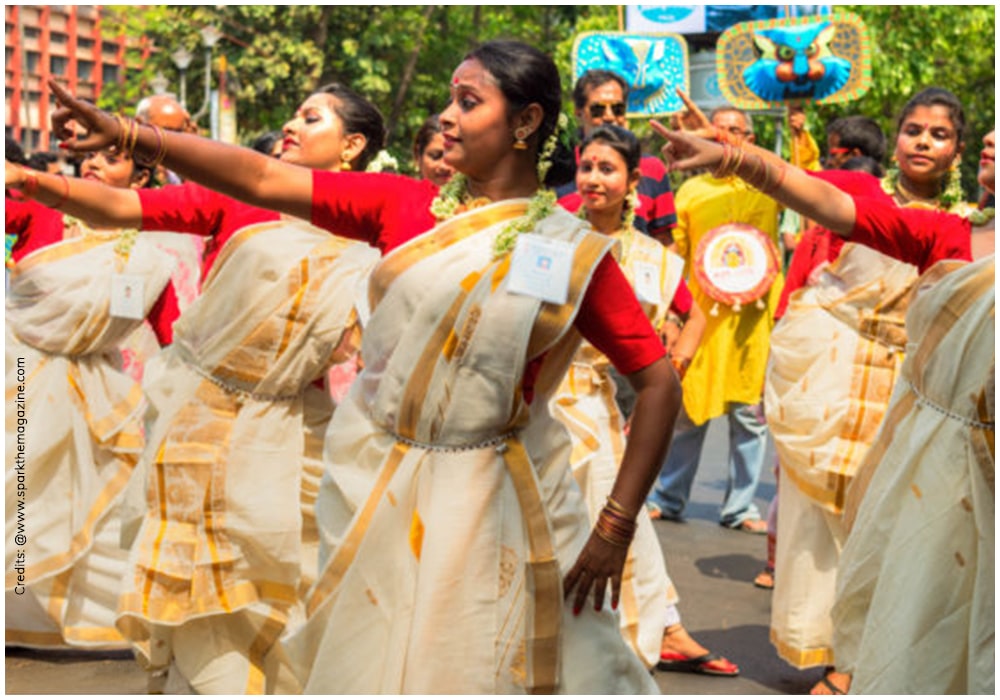
When you attend a Poila Boishakh UK event, music instantly fills the air. You will hear the familiar, soulful melodies of Rabindra Sangeet echoing through the venue. Dedicated local dance troupes often perform intricate routines, showcasing the deep classical and folk Bengali traditions of the region.
Alongside the entertainment, festive markets frequently pop up. These stalls sell everything from handcrafted terracotta jewelry to authentic regional spices. Families spend hours wandering through these markets. They use this time to visit local cultural associations, enthusiastically greeting everyone they meet with a warm Shubho Noboborsho (Happy New Year). The community focus remains incredibly strong. People spend the entire afternoon catching up with friends and relatives, building a powerful support network that helps keep their shared heritage alive.
Honoring Roots Through Traditional Rituals
No true celebration of Poila Boishakh UK feels complete without honoring time-tested traditional rituals. The central philosophy of the day revolves around starting the year with pure, positive energy. Families wake up very early in the morning to thoroughly clean their homes. Many decorate their doorsteps with intricate alpona, a traditional folk art created using a simple rice paste. This practice creates a welcoming environment for good fortune and positive energy.
The Power of Fresh Beginnings
Many individuals also visit local temples to offer prayers and seek divine blessings for health and happiness in the coming months. A vital part of these morning traditional rituals involves wearing brand-new clothes. This simple act carries deep psychological and cultural significance within Bengali traditions.
Stepping into fresh garments physically symbolizes leaving the past behind. It represents absolute renewal and the hope of fresh beginnings. For children and adults alike, tearing the tags off a new outfit for Poila Boishakh UK celebrations is an exciting event in itself. It sets a joyful, optimistic tone for the rest of the day and deeply honors the customs passed down through countless generations.
A Feast for the Senses: Festive Food
A true Bengali celebration naturally centers around extraordinary Bengali food. Food acts as a universal love language, bringing large families and extended friend groups around a shared table. During Poila Boishakh UK celebrations, kitchens across the country fill with the heavy, mouth-watering aromas of mustard oil, roasted cumin, and fresh cardamom.
Classic Meals and Sweet Treats
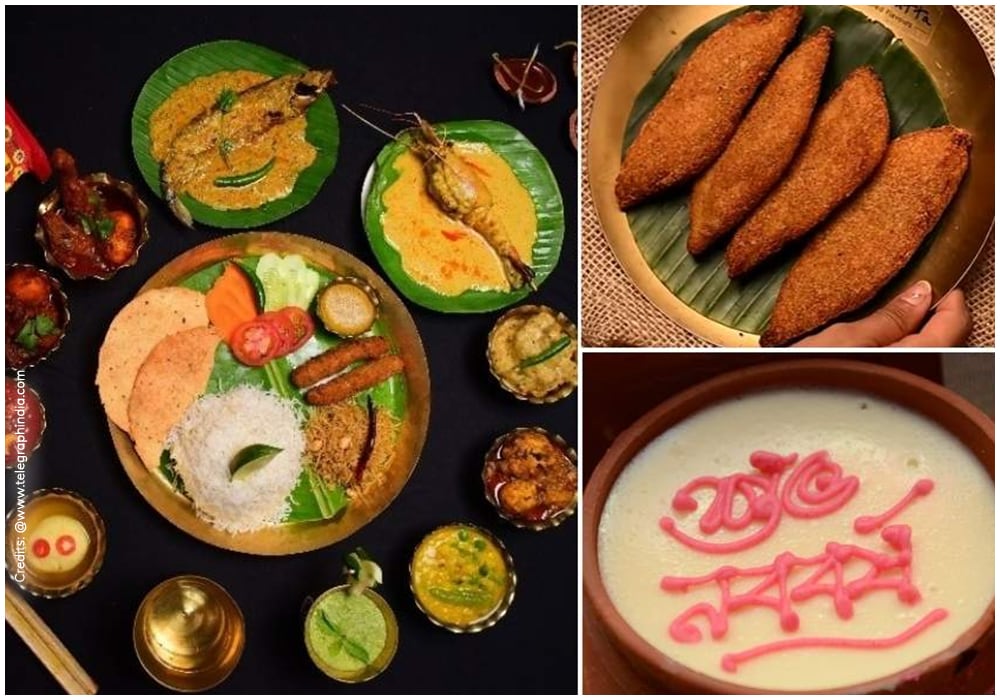
Traditional meals shared at home often feature an impressive array of classic dishes from Bengali cuisine. You will typically find fluffy, deep-fried luchis paired with a sweet and savory cholar dal to start the day. A festive lunch might include fragrant basmati pulao, rich mutton kosha, and the highly iconic macher jhol (fish curry).
Furthermore, no Bengali meal ever concludes without an impressive spread of Bengali sweets. Traditional desserts like spongy rosogolla, delicate sandesh, and creamy mishti doi take center stage at both private family dinners and large community events. Sharing these sweet treats actively symbolizes the hope for a sweet, joyful, and prosperous year ahead.
Dressing for the Occasion: Poila Boishakh Fashion in the UK
Fashion plays a massive role in how people express their cultural identity during this festival. During Poila Boishakh UK celebrations, you will see a breathtaking display of traditional garments filling the streets and local community centers.
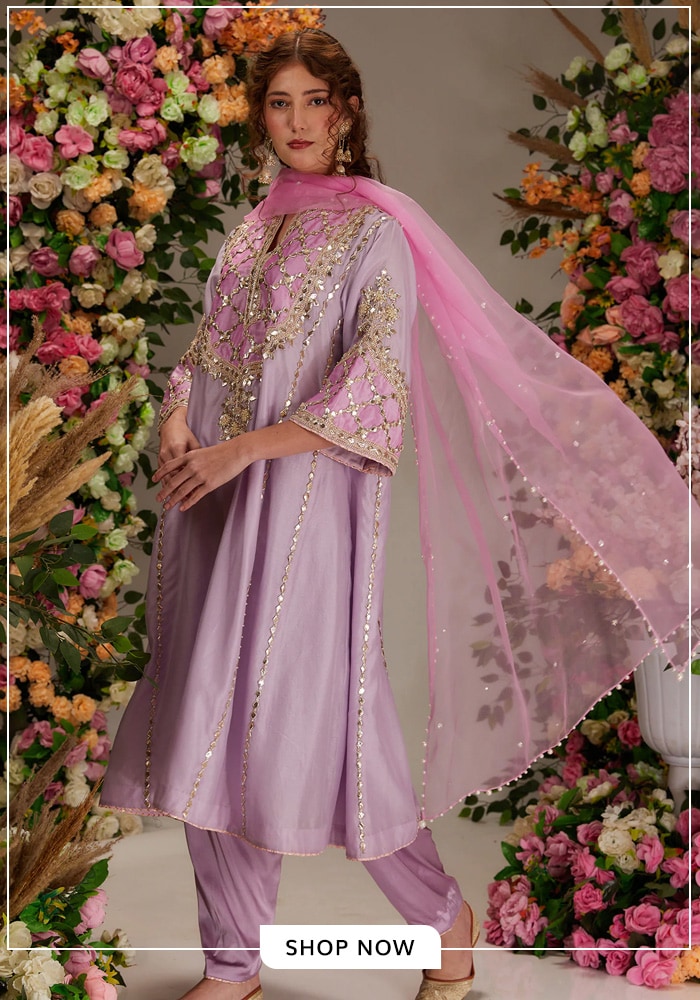
Women very often choose the classic red and white saree, commonly known as the Gorod or Lal-Paar festive saree. This highly iconic garment perfectly represents the essence of Bengali femininity and festive grace. Other popular traditional choices include elegant salwar suits made from breathable cotton, and intricately embroidered kurta sets. Men typically opt for crisp, well-tailored kurtas, which they often pair with a traditional dhoti or comfortable fitted pajamas.
Blending Tradition with Modern Styling
Living abroad naturally inspires people to blend traditional Bengali elements with modern styling. You might see a beautiful handloom Jamdani festive saree paired with a contemporary, structured crop top. Alternatively, you might spot a sharp, tailored blazer layered over a classic silk kurta. This clever fusion approach allows individuals to clearly honor their ethnic roots while staying practical and comfortable in the unpredictable UK climate. Festive accessories, such as chunky silver oxidized jewellery, colorful glass bangles, and fresh floral hair adornments, perfectly complete the overall look.
Outfit Inspiration for Your UK Celebrations
Choosing the absolute right outfit for a Poila Boishakh UK celebration requires carefully balancing style, tradition, and comfort. You want to look festive while remaining practical for the weather and the venue.
Here is some simple outfit inspiration to help you celebrate in style:
For Daytime Cultural Programs:
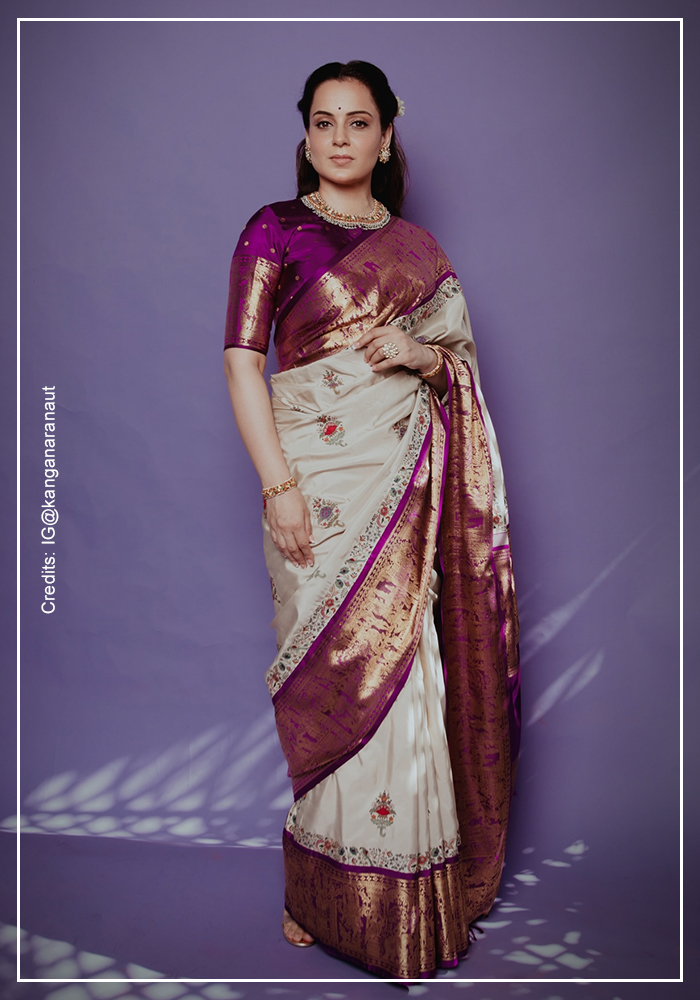
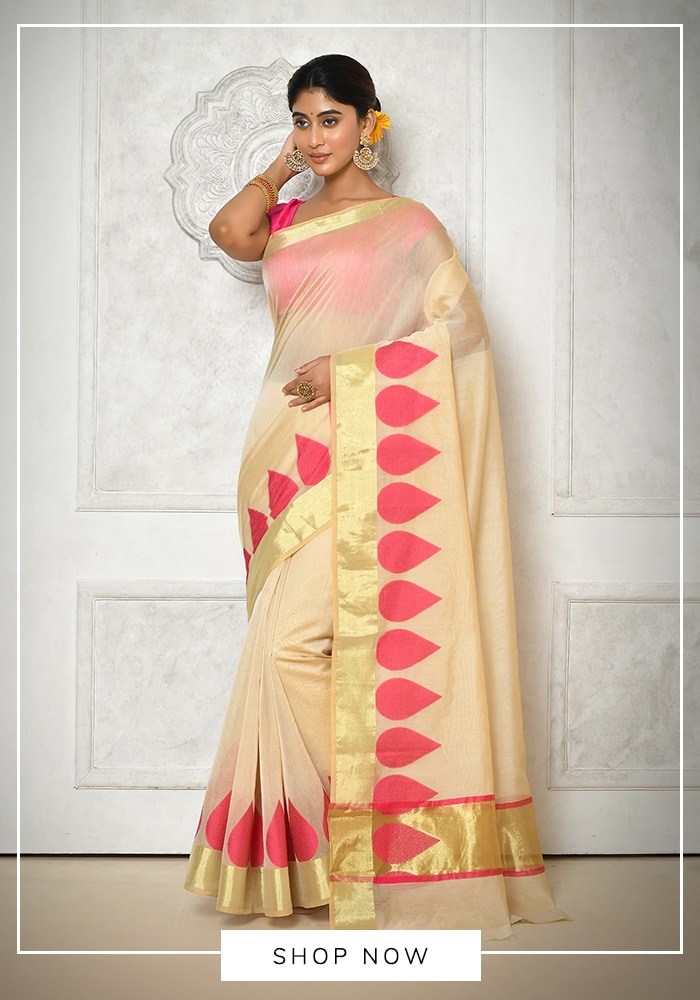
A lightweight cotton or linen festive saree works perfectly. Pair a classic white saree with a bold, contrasting red blouse. Add simple silver earrings for an effortlessly elegant look that honors Bengali traditions without feeling heavy.
For Relaxed Family Gatherings:
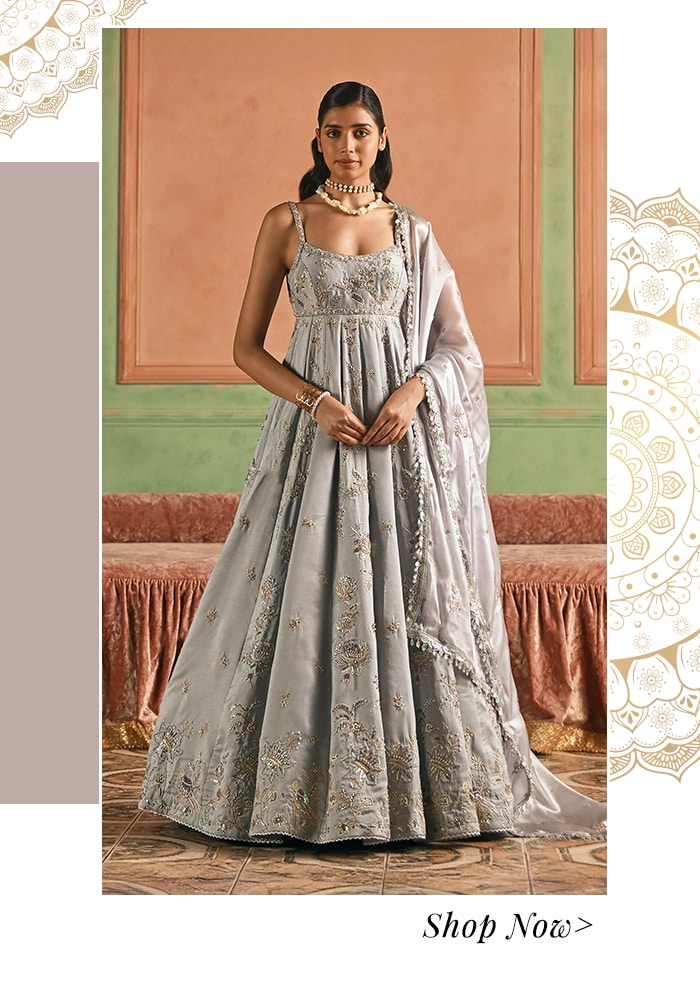
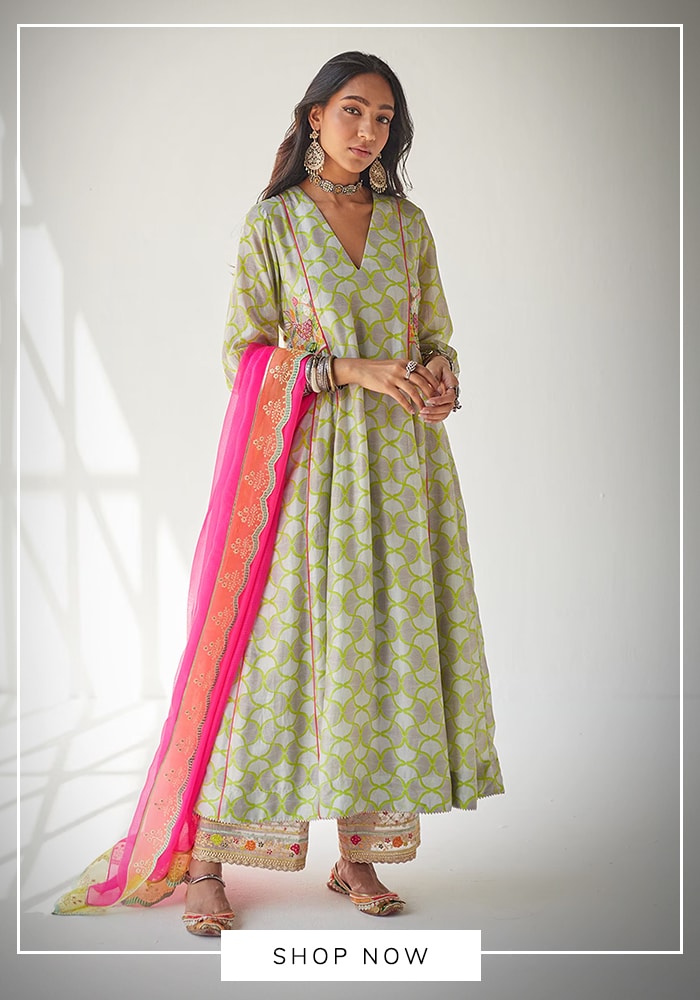
A bright, floral Anarkali suit offers both supreme comfort and festive flair. This allows you to easily move around, serve Bengali food, and sit comfortably while chatting with relatives.
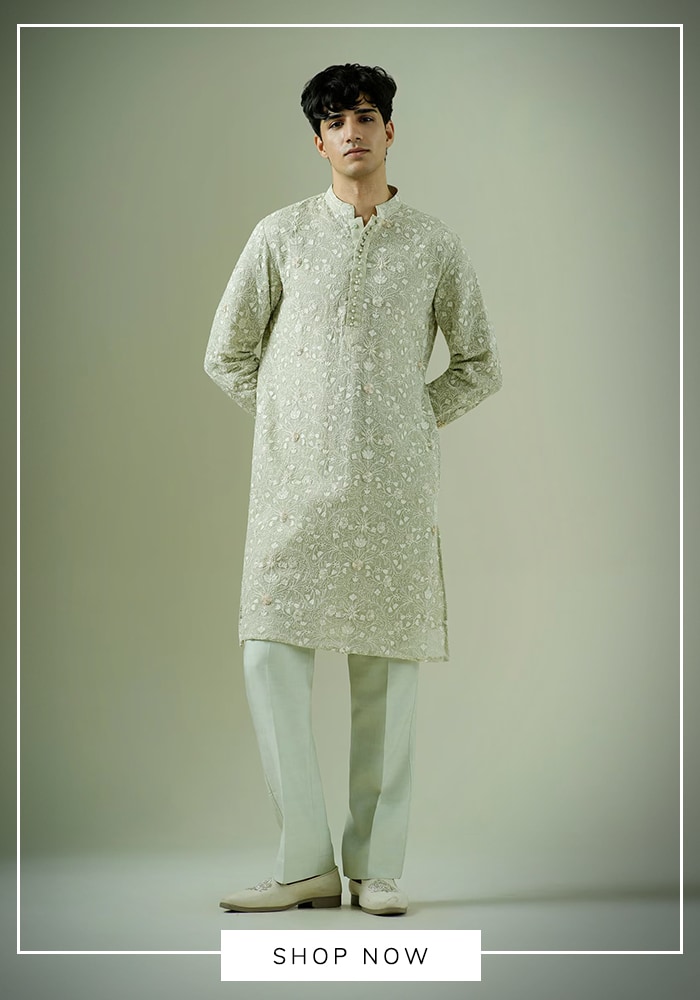
For Men’s Smart-Casual Style:
Choose pastel-colored linen men’s kurta paired with tailored trousers. This creates a smart-casual vibe that brilliantly bridges Eastern heritage and Western practicality.
For Evening Community Galas:
Opt for richer fabrics like silk or tussar. Men can elevate the look with a kurta layered under a classic Nehru jacket.
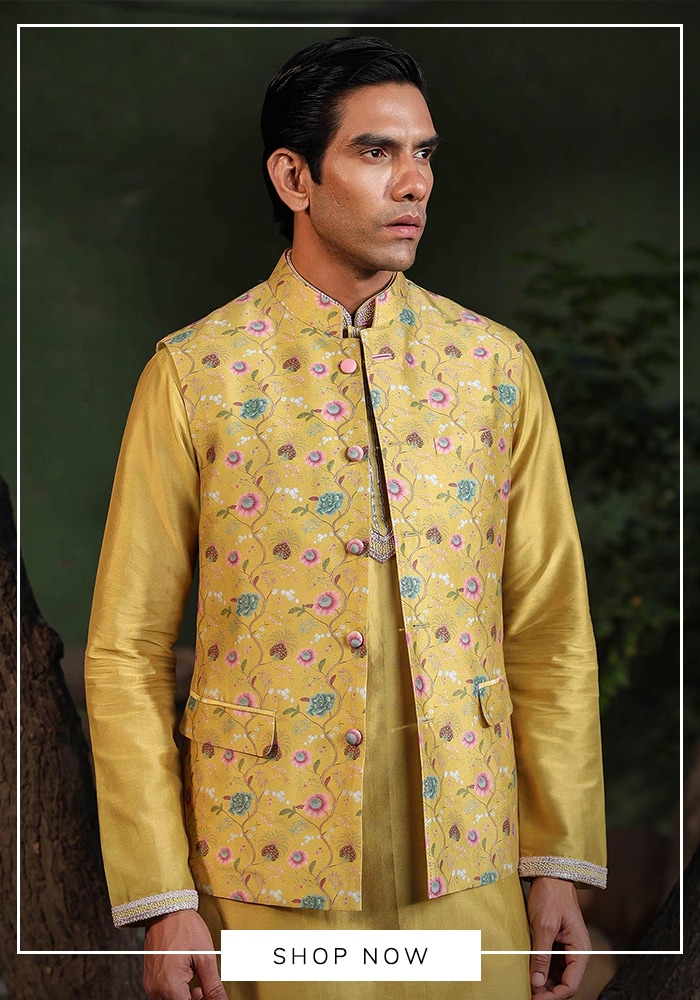
Remember that layering remains crucial in the UK. Consider adding a woven pashmina shawl or a heavy, embroidered ethnic jacket to your ensemble. This ensures you stay completely warm while looking incredibly stylish throughout the event. Whatever outfit you ultimately choose, the main goal is to feel highly confident, highly festive, and deeply connected to your rich Bengali traditions while celebrating Shubho Noboborsho with the UK Bengali community.
The post How Bengalis Celebrate Poila Boishakh in the UK appeared first on Aza Editorials.