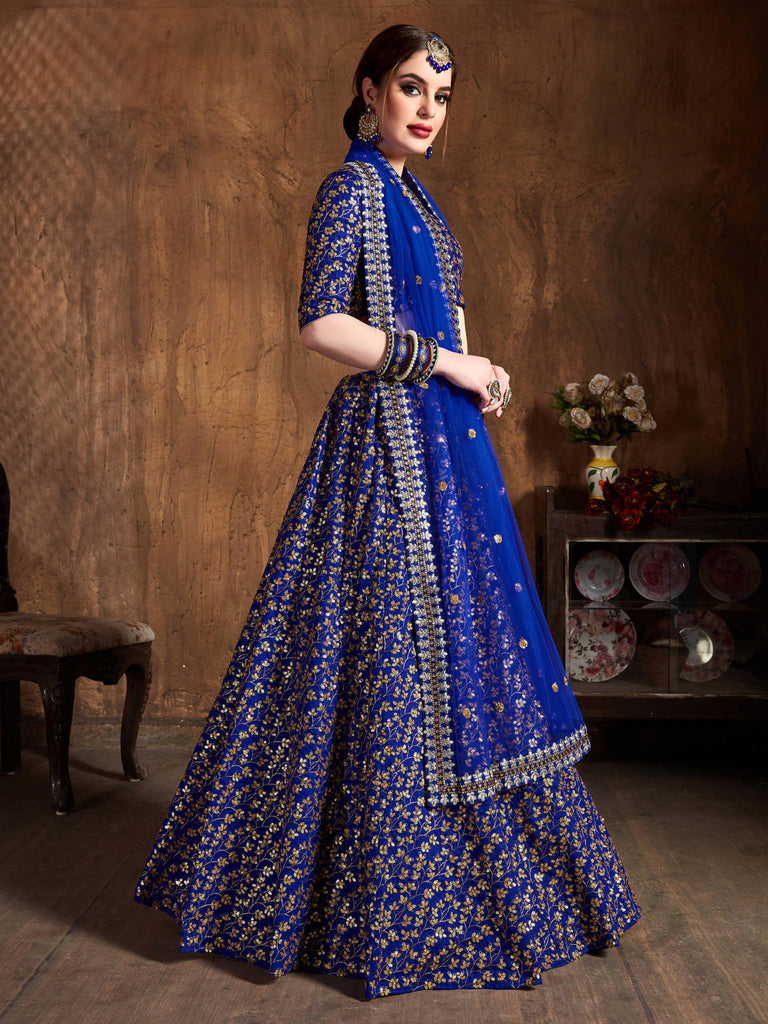
A Durga Puja look succeeds when the outfit, hair, jewellery, makeup and practical details feel like one decision. Styling each element separately often creates the opposite result: a rich saree, equally rich blouse, equally heavy jewellery and a hairstyle that competes with all three. In 2026, the more useful approach is hierarchy. Decide what should lead, then let everything else support it.
This is especially important during Puja because the outfit has to work in real conditions: morning rituals, humidity, crowds, walking, restaurants, photographs and long evenings. Beauty and comfort are not separate goals. The most polished woman in the room often looks polished because she is not constantly adjusting something.
The ClothsVilla examples below are live active, inventory-untracked product references selected for this guide. Their exact pages remain the final source for fabric, stitching and current ordering information.
Begin with the event, not the trend
Choose your outfit based on the day. Shashti can be light and exploratory. Saptami rewards movement. Ashtami can carry more tradition. Navami can take evening glamour. Dashami can use classic red-white references or a personal interpretation. Once the event is clear, fabric and accessories become easier to choose.
If you are walking for five hours, do not build the outfit around a delicate trailing dupatta. If you are attending a formal dinner, you can accept more volume because movement is limited.

Pick one hero element
Your hero can be the saree border, blouse neckline, lehenga embroidery, necklace, earrings or even a strong red lip. Once you choose it, reduce competition. A heavily embroidered lehenga needs less jewellery. A simple saree can support a statement necklace. A dramatic blouse can work with smaller earrings and no necklace.
This one decision solves many over-styling problems and makes the outfit easier to wear.

Hair: choose structure according to the neckline
A high neck, detailed blouse back or heavy earrings often benefits from a bun, braid or pulled-back hairstyle. A clean neckline can support open waves. A low bun feels formal and traditional; a sleek ponytail can make a saree look contemporary; a braid creates a practical middle ground.
Humidity matters. If your hair usually expands in warm weather, choose a style that accepts that texture rather than fighting it for hours. Carry a small hair tie as backup.

Makeup: let the bindi finish the face
For Puja, you can create impact with defined eyes, even skin, a bindi and a deliberate lip colour. You do not need heavy eye makeup with every festive saree. Bronze, brown and gold around the eyes are adaptable across red, green, cream, blue and print.
Choose the bindi before adding the final eye detail. A larger bindi may reduce the need for strong forehead or eye decoration. For night, deepen the lip rather than layering more products everywhere.

Jewellery: scale it to the garment
Gold-toned and antique-finish pieces naturally suit many Puja palettes. Pearls soften pastels and cream. Oxidised silver can work with colourful, printed or folk-inspired outfits. But scale matters more than category. A large necklace plus large earrings plus many bangles can feel physically and visually heavy.
Use one hero and one support: necklace plus small earrings, or strong earrings plus bangles, or stacked bangles plus a clean neckline.

Dupatta or pallu: secure it before leaving home
For a saree, pin the pleats and decide whether the pallu is open, pleated or partly anchored. For a lehenga, pin the dupatta at the shoulder and, if helpful, near the waist. Test both arms overhead and sit down. If the fabric shifts significantly, fix it before you enter a crowded pandal.
Carry spare pins, but do not repeatedly puncture delicate embroidery or lace. Use stable fabric areas.

Footwear: style begins at the hem
Choose shoes before final draping or hemming. A small heel change can alter whether a saree or lehenga touches the floor. For long pandal routes, stable flats, juttis or low block heels are usually easier than narrow heels. Wear them before Puja so you know where they rub.
Walk quickly and climb stairs in the full outfit. If the hem catches, adjust now rather than hoping it will be fine outside.

The bag should support the outfit, not fight it
A small secure bag is enough for phone, cards, cash, tissues, pins, blister protection and one lip product. Cross-body straps can be practical but may crush delicate pallu or blouse work. Place the strap under the drape when possible or choose a wristlet or potli for shorter events.
Do not carry a large bag just because you are out all day. The extra weight changes posture and can pull at the blouse.

Shashti styling formula
Light saree or simpler lehenga, earrings, small bindi, natural hair and stable shoes. Keep the palette fresh and save your strongest jewellery for later. This formula feels festive without exhausting the wardrobe on day one.
Saptami styling formula
Comfort-first fabric, secure drape, compact bag, light earrings and walking shoes. Use print or colour for visual energy instead of heavy work. Saptami is the day to optimise movement.
Ashtami styling formula
Richer saree or traditional-looking set, controlled pallu, bindi, gold-toned or pearl jewellery and a bun or braid. Let ceremony come through proportion and styling rather than sheer garment weight.
Navami styling formula
Deeper colour, stronger shine or embroidered lehenga, one statement jewellery category and a more polished evening hair or makeup change. This is the easiest day to use your most glamorous piece.
Dashami styling formula
White, cream, red or a personal interpretation of the palette, secure drape, bangles and bindi. Prioritise movement in crowds and choose an outfit you can participate in rather than protect from every touch.
Photography without sacrificing comfort
Good posture and confidence matter more than adding another accessory. Before photographs, check the pallu or dupatta, smooth the blouse and place jewellery correctly. Then stop adjusting. A relaxed expression makes the outfit look more successful than constant monitoring.
If you want movement shots, choose a lehenga or open pallu only in a safe area away from crowds and stairs.
Build a five-minute emergency kit
Safety pins, a hair tie, tissues, blister strips and one lip product solve most styling emergencies. Add a tiny fashion tape strip if you already know how to use it safely. Keep the kit compact enough that you actually carry it.
Shop with rewear in mind
Ask whether the blouse can work with a saree, whether the lehenga skirt can pair with another top, whether the dupatta can lift a suit, or whether the saree can move into wedding season. Puja styling becomes more sustainable and economical when individual pieces have several lives.
Browse ClothsVilla’s live ethnic wear, sarees and lehenga choli collections for current options.
Durga Puja styling FAQs
What makeup is best for Durga Puja?
Defined eyes, comfortable skin, bindi and a lip colour are a versatile base. Adjust intensity for day or night.
What hairstyle works with a saree for Puja?
Low buns, braids, half-up styles and open waves all work. Choose according to neckline, earrings, weather and comfort.
How much jewellery should I wear?
Use one hero jewellery category and one supporting category. The outfit and blouse should determine the scale.
How do I keep a dupatta secure while pandal hopping?
Pin it at stable points such as the shoulder and waist, then test full arm movement before leaving.
What should I carry in my Puja bag?
Phone, essential payment items, tissues, pins, blister protection, hair tie and one lip product are a useful compact base.
Editorial note: Product references were active, inventory-untracked ClothsVilla listings when selected. Verify current product information before purchase.