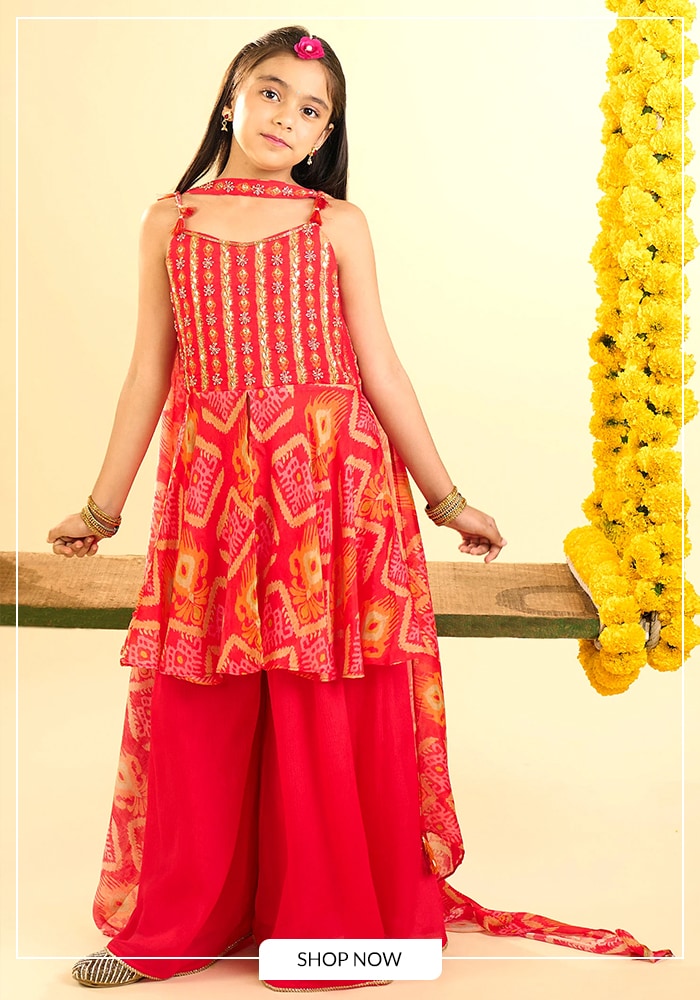
Raksha Bandhan 2026 arrives at a moment when Indian festive fashion is moving in two directions at once: women want the emotional richness of traditional dressing, but they also want ease, comfort and a look that feels current in photographs and reels. That balance is shaping the strongest Rakhi outfit trends this year. Instead of one rigid “festive uniform,” the mood is flexible—soft silk, organza, sequins, floral lehengas, easy Anarkalis, fluid palazzo silhouettes, statement blouses and polished accessories all have a place.
The biggest change is that occasion dressing no longer has to feel heavy. A Rakhi look can be festive without being wedding-level ornate. The smartest outfits use one strong feature—colour, texture, embroidery, drape or jewellery—and allow everything else to breathe. That makes the outfit easier to wear through the full day, from the morning rakhi ceremony to family lunch, photographs, visits and evening plans.
1. Soft festive colour is replacing head-to-toe heaviness
Rani pink, blush, cream, sage, powder blue, maroon, wine, royal blue and deep purple are all strong choices for Raksha Bandhan. The important trend is not simply the colour itself, but how it is used. A single saturated tone can make a minimal outfit feel celebratory, while a pale base can be lifted with metallic embroidery, pearls or a brighter dupatta. This is why both jewel tones and soft pastels are working at the same time in 2026.
For a cheerful sister look, pink remains especially effective because it photographs beautifully indoors and outdoors. If you want a more refined direction, cream and ivory can look festive when the fabric carries organza texture, zari, sequins or a polished satin finish. Navy and deep blue are useful for evening celebrations because they create contrast with gold-toned jewellery and warm lighting.
2. Organza is one of the easiest ways to look dressed up
Organza is continuing to feel relevant because it gives volume and ceremony without the visual weight of heavily layered fabrics. An organza kurta, dupatta or Anarkali can look dressy even when the embroidery is restrained. It is especially practical for women who want something modern but still recognisably Indian.
A current example is the cream organza festive suit with satin pants at ClothsVilla. The combination works because the airy top and smoother bottom create texture contrast, which is one of the easiest styling tricks for a polished festive outfit. Rather than adding several heavy accessories, pair a look like this with pearl drops, a compact clutch and soft makeup.
3. The Anarkali is back as an effortless family-festival silhouette
Anarkalis are not new, but their role has changed. They are now being styled less like formal wedding wear and more like graceful, one-piece festive dressing. A good Anarkali gives you movement, photographs well, and removes the need to coordinate too many separates. For Rakhi, that practicality matters.
Printed and digitally patterned versions feel younger and more relaxed, while embroidered or deep-colour options create a richer look. If you prefer brighter colour, the multi-colour organza Anarkali is a useful reference for playful festive styling. For a deeper evening palette, the navy blue digital-print Anarkali shows how a darker colour can still feel light when the silhouette has movement.
4. Statement lehengas are becoming lighter, simpler and more wearable
The 2026 festive lehenga is less about maximum embroidery and more about proportion. A clean skirt with one focal blouse, a ruffle detail, a bright colour or a modern drape can feel fresher than a fully embellished bridal-style set. That is particularly suitable for Raksha Bandhan, where you want celebration without looking overdressed for a family daytime event.
Rani pink is an obvious festive choice because it carries traditional energy but still looks lively and contemporary. The Rani pink embroidered lehenga choli is an example of how one strong festive colour can do most of the styling work. If you prefer a softer modern look, the white ruffle-style lehenga moves in the opposite direction: lighter colour, more silhouette drama.
5. Sequins work best as an accent, not an instruction
Sequins remain part of festive dressing, especially for sarees, gowns and evening looks, but the most current approach is controlled sparkle. A sequin border, embroidered yoke, blouse detail or scattered work is usually enough. When the outfit already reflects light, keep jewellery cleaner. When the fabric is matte, you can afford a stronger earring or necklace.
This “one source of sparkle” rule also makes the look photograph better. Too many reflective elements compete with one another in flash photography. A navy embroidered gown such as this occasion-wear navy gown can therefore be styled with simpler metallic earrings rather than a heavy full jewellery set.
6. Saree styling is becoming easier and more personal
Sarees remain central to Rakhi dressing, but women are increasingly treating the saree as a styling canvas rather than a fixed formula. Soft silk, tissue-like shine, floral prints, embroidery, pre-draped shapes and modern blouse cuts are all part of the conversation. The strongest saree look is often the one that respects your own routine: a comfortable drape for a long family day can look better than a complicated drape that needs constant adjustment.
If your saree is simple, let the blouse become the statement. Elbow-length sleeves, sculpted necklines, contrast blouses and delicate surface work can modernise a classic six-yard look. If the saree itself is highly embellished, reverse the logic and choose a cleaner blouse. This balance keeps the outfit elegant instead of busy.
7. Sustainable-looking luxury is becoming aspirational
Another visible 2026 direction is renewed interest in craft, hand-feel, natural-looking colour and fabrics that communicate longevity rather than obvious logos. Even when you are not buying a handwoven heirloom, you can borrow the aesthetic: choose a fabric with character, prefer an outfit you can re-style later, and avoid trend details that will make the garment feel dated after one season.
For Rakhi, this means thinking beyond “wear once.” A silk saree can return for Diwali. An organza suit can be worn for a family engagement. A lehenga skirt can later be paired with a different blouse. An Anarkali can be restyled with another dupatta. The most useful festive wardrobe is modular.
8. Pearls, kundan and one hero accessory are winning
Festive accessories are becoming more intentional. Pearls work particularly well with pastel, cream and sustainable-luxury looks. Kundan or polki-inspired jewellery suits rani pink, maroon, royal blue and deeper traditional palettes. Oxidised jewellery can work with printed Indo-western outfits, but it is usually better to stay within one jewellery language instead of mixing several.
A practical styling formula is: one hero earring, one bracelet or watch, and a compact bag. If the neckline already has embroidery, skip the necklace. If the blouse is minimal, add one. This sounds simple, but it is one of the fastest ways to make an outfit feel professionally styled.
9. Comfortable Indo-western outfits are no longer the “casual” option
Palazzo sets, jacket layers, crop-top combinations and fusion silhouettes have become proper festive options. They are especially useful for women who do not want to manage a saree or dupatta through a busy Rakhi day. The key is fabric and finish: a clean silhouette in festive fabric looks intentional; a very casual fabric can make the same cut feel like everyday wear.
Wide-leg trousers with an embroidered or structured top create a strong vertical line and are easy to move in. A long jacket adds drama without adding much complexity. This is a good route if you want your Rakhi outfit to feel contemporary rather than overtly traditional.
10. How to choose your Rakhi 2026 outfit in five minutes
Start with the setting. For a morning ceremony at home, choose softer colour, lighter jewellery and breathable fabric. For a larger lunch or family gathering, add richer texture or a statement accessory. For an evening celebration, deeper colours, sequins and stronger makeup can work. Then choose the silhouette you can actually enjoy wearing: saree, lehenga, Anarkali, suit, gown or Indo-western.
Next, decide what the hero is. If the colour is the hero, keep embroidery moderate. If embroidery is the hero, simplify the jewellery. If the blouse is the hero, keep the drape cleaner. If your earrings are the hero, avoid stacking a heavy necklace on top. This simple hierarchy prevents over-styling.
A practical Raksha Bandhan 2026 style checklist
- Choose one main festive feature: colour, embroidery, drape, blouse or jewellery.
- Prioritise comfort for a long family day.
- Use pinks and jewel tones for high festive energy; cream and pastels for soft elegance.
- Keep sequins controlled and intentional.
- Use organza when you want volume without heavy layering.
- Consider an Anarkali or fusion set when ease matters most.
- Restyle pieces you can wear again during the 2026 festive season.
- Check footwear comfort before the event, not after getting dressed.
Frequently asked questions
What is trending for Raksha Bandhan 2026?
Soft silk and organza, floral or lighter lehengas, Anarkalis, sequinned accents, pre-draped or easier saree styling, jewel tones, pastels and comfortable Indo-western silhouettes are all strong directions.
Which colour is best for Rakhi?
There is no single correct colour. Rani pink, maroon, royal blue and purple create a traditional festive impact, while cream, blush, sage and powder blue feel softer and more contemporary.
Can I wear a lehenga for Raksha Bandhan?
Yes. The most suitable Rakhi lehengas are usually lighter than bridal lehengas. Choose a comfortable skirt, a statement blouse or one strong colour rather than very heavy head-to-toe work.
What should I wear if I do not want a saree?
Anarkalis, organza suits, palazzo sets, gowns and Indo-western jacket looks are all festive alternatives that are easier to manage through the day.
How do I make a simple outfit look festive?
Add one polished element: pearl or kundan earrings, a richer dupatta, metallic footwear, an embroidered blouse, a statement bag or a festive makeup detail. You do not need to add everything at once.
Raksha Bandhan fashion in 2026 is ultimately about personal balance. Tradition is still important, but it is being expressed through easier silhouettes, better styling decisions and clothes that can live beyond a single occasion. Choose an outfit that lets you participate in the day rather than constantly manage what you are wearing. That is the most modern festive trend of all.
Explore more festive ethnic wear: ClothsVilla.
Rakhi outfit ideas by time of day
For an early ceremony, lighter colours and breathable fabrics usually feel best. Cream, blush, sage, floral prints and softer silks work well with daylight and family photographs. Keep hair and makeup polished but relaxed, and choose jewellery that will not become uncomfortable while you are moving around the house.
For a lunch gathering, you can increase the festive detail. This is where organza, a brighter Anarkali, a rani pink lehenga or an embroidered suit fits naturally. Add a stronger earring or a richer dupatta, but retain comfortable footwear because lunch events often involve more standing and movement than expected.
For evening plans, deeper colours and controlled sparkle come into their own. Navy, wine, maroon, purple and royal blue can handle warm lighting beautifully. A sequinned border, embroidered gown or darker Anarkali can feel more dramatic without becoming bridal. If you are changing outfits between day and evening, reuse the same jewellery and bag to keep the process simple.
How to make the outfit look better in photos and reels
Modern festive dressing is also social-media dressing, so it helps to think about movement and contrast. Avoid having the outfit, background and jewellery all in the same tone. If you are wearing cream, stand against a darker or greener background. If you are wearing a saturated pink or blue, a neutral wall or outdoor setting will let the colour stand out.
For lehengas and Anarkalis, take a few moving photos rather than only straight poses; the flare is part of the outfit. For sarees, photograph the pallu and blouse details separately. Natural window light is usually kinder than a hard flash, especially when sequins are involved. Most importantly, choose an outfit you can move in comfortably—the camera notices stiffness.