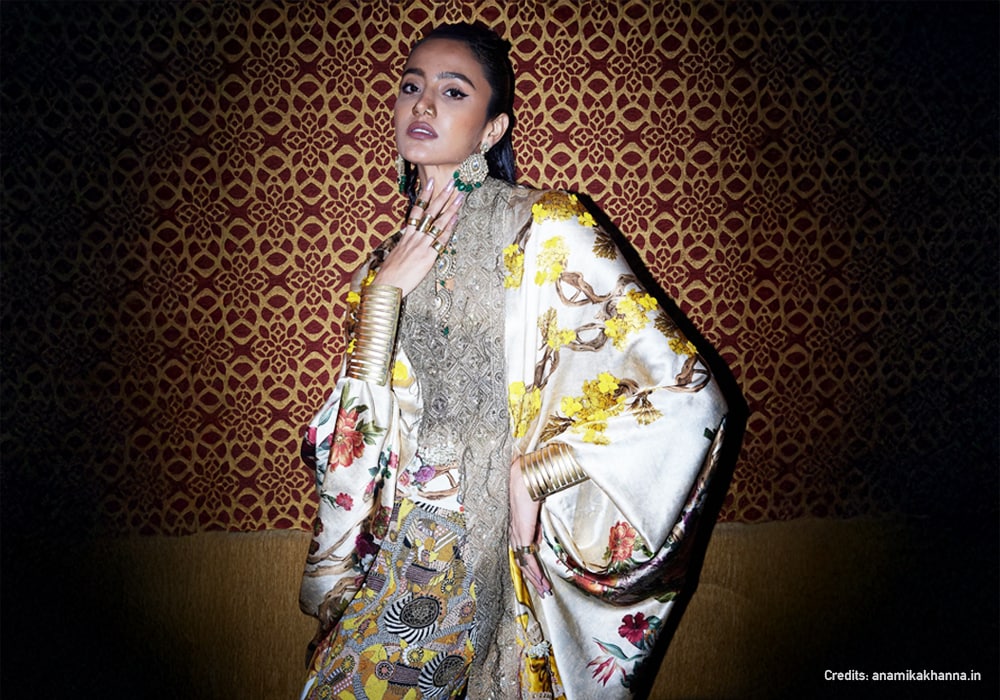
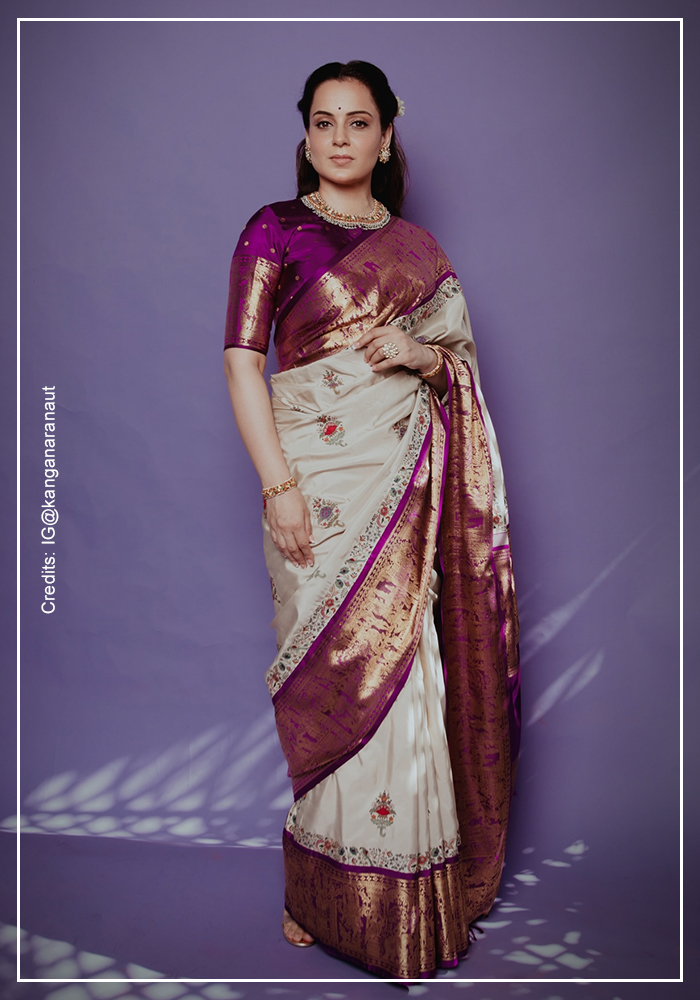
For an Indian wedding in the USA, wear traditional Indian ethnic wear — a lehenga choli, silk saree, or Anarkali suit for women; a kurta pyjama, sherwani, or bandhgala for men. Avoid white, bridal red, and all-black at religious ceremonies. Indian weddings in the USA follow the same function-by-function dress code as those in India. Non-Indian guests are warmly welcome to wear Indian ethnic wear or a formal, brightly coloured Western outfit.
How Are Indian Weddings in the USA Different From Those in India?
Indian weddings in the USA share the same cultural DNA as those in India — the same functions, the same colour rules, the same reverence for tradition. But there are important practical and contextual differences that affect how you dress.
Indian weddings in the USA are typically held across two to four days rather than five to seven, and they are often hosted in hotel ballrooms, country clubs, banquet halls, or manicured outdoor venues. The climate varies dramatically — a summer wedding in California calls for very different fabrics than a winter wedding in New York or Chicago.
Indian American weddings in 2026 are increasingly multicultural. Many couples host a mix of Indian and non-Indian guests, and some functions blend Western and Indian elements. The function-by-function dress code, however, is the same as in India. The same colour rules apply. And the same principle holds: the later and grander the function, the more formal and embellished your outfit should be.
What to Wear to Each Indian Wedding Function in the USA
Haldi Ceremony in the USA
The Haldi in the USA follows the same rules as in India — turmeric will stain, so your outfit must be expendable. Keep it cheerful, comfortable, and inexpensive. One practical note: USA Haldis are often held indoors in hotel event spaces rather than open courtyards, so dress comfortably for an air-conditioned setting.
- Best colours: Yellow, mustard, marigold, orange, coral.
- Best fabrics: Cotton, chanderi, mulmul, rayon.
- Best silhouettes: Straight kurta set, printed co-ord, simple cotton sharara.
- Avoid: Expensive silk, heavy embroidery, whites and pale pastels.
Outfit formula: Yellow cotton kurta set + oxidised silver earrings + kolhapuri sandals = the perfect USA Haldi guest look.
Mehendi Ceremony in the USA
Mehendi functions in the USA often combine elements of a garden party with traditional ceremony — you may be seated at outdoor tables or banquet chairs rather than on the floor. Comfort remains paramount, as henna application takes time. Keep your arms and hands free of jewellery until the henna dries.
- Best colours: Greens — emerald, pista, mint, sage. Florals, teals, turquoise, and pinks also work.
- Best fabrics: Georgette, cotton-silk, chanderi, crepe.
- Best silhouettes: Sharara set, palazzo suit, mid-length kurta with wide-leg pants, lightweight lehenga.
- Avoid: Heavy arm jewellery, tight churidars, very dark or formal colours.
Outfit formula: Pista green georgette sharara set + chandelier jhumkas + embroidered juttis + floral hair accessories = the definitive USA Mehendi guest look.
Mistake to avoid:
Wearing heavy arm jewellery or bangles before your henna has fully dried.
Sangeet Night in the USA
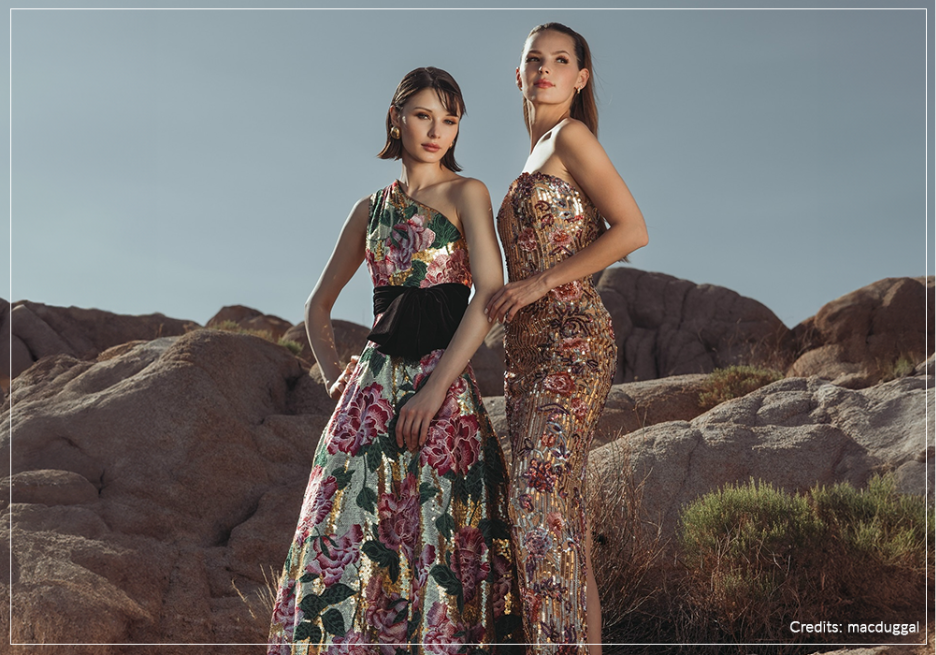
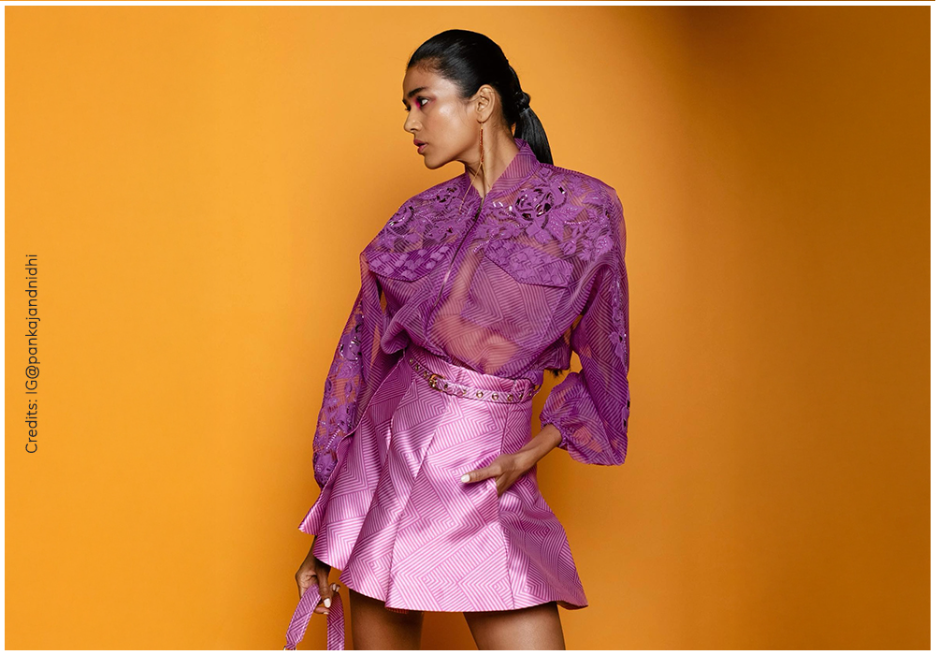
The Sangeet is typically the most fashion-forward and energetic event of an Indian American wedding — often held in a hotel ballroom with professional lighting, DJ performances, and choreographed family dances. In the USA, Sangeet nights often have a more cosmopolitan energy — Indo-Western silhouettes, sequinned co-ords, and contemporary fusion looks are as welcome as traditional embellished lehengas.
- Best colours: Jewel tones — navy, emerald, wine, sapphire, ruby. Metallics — gold, silver, champagne, rose gold.
- Best fabrics: Georgette, sequinned fabric, net, tissue silk.
- Best silhouettes: Embellished lehenga choli, sequinned Anarkali, Indo-Western cape set, saree gown in metallic fabric, sharara set with heavy embroidery.
- Avoid: Pale pastels that wash out under ballroom lighting, overly restrictive silhouettes.
Outfit formula: Navy georgette lehenga with silver zardozi embroidery + statement kundan earrings + block heels + metallic clutch = the definitive USA Sangeet look.
Mistake to avoid:
Wearing an outfit that looks beautiful standing still but restricts your ability to dance. Test your outfit for movement before the event.
Wedding Ceremony in the USA
The wedding ceremony is the most culturally significant and formally dressed event. Whether it is a Hindu ceremony with pheras, an Anand Karaj in a Gurudwara, a Nikah, or a civil ceremony combined with religious rituals, this is the event that calls for your most elevated traditional outfit.
In the USA, wedding ceremonies are frequently held in two phases — a religious ceremony in the morning or afternoon, followed by a reception in the evening. When in doubt, a richly embellished silk saree or a formal lehenga choli in a deep jewel tone works across all ceremony contexts.
- Best colours: Maroon, gold, royal blue, emerald, deep pink, blush, mustard. Avoid bridal red, all-white, and all-black.
- Best fabrics: Banarasi silk, Kanjivaram silk, velvet, brocade, heavy georgette.
- Best silhouettes: Richly embellished lehenga choli, formal silk saree with a structured blouse, heavily embroidered Anarkali.
- Always carry a dupatta — essential for religious ceremonies, mandatory at Gurudwaras.
Outfit formula: Royal blue Banarasi silk saree + structured embroidered blouse + polki jewellery set + embroidered juttis = the ideal USA wedding ceremony guest look.
Mistake to avoid:
Assuming that because the venue is a hotel ballroom rather than a temple, the dress code is less formal. The wedding ceremony dress code is about cultural respect, not venue type.
Wedding Reception in the USA
The reception is the most fashion-forward event and the one where Indo-Western and contemporary silhouettes are most welcome. Hotel ballroom receptions in the USA often have a cocktail-party energy — structured, glamorous, and open to more modern interpretations of Indian wedding fashion.
- Best colours: Metallics — gold, champagne, silver, rose gold. Midnight blue, deep plum, jewel tones.
- Best fabrics: Sequinned georgette, silk, velvet, chiffon with embellishment.
- Best silhouettes: Saree gown, jacket lehenga, cape set, contemporary Indo-Western gown, embellished Anarkali.
Outfit formula: Champagne sequinned saree gown + statement shoulder jewellery + strappy heels + embellished clutch = the most elegant USA reception look.
What Should Non-Indian Guests Wear to an Indian Wedding in the USA?
Is It Appropriate for Non-Indian Guests to Wear Indian Clothing?
Absolutely. Non-Indian guests wearing Indian ethnic wear to an Indian wedding in the USA is actively appreciated by most South Asian families. It is seen as a gesture of cultural curiosity, respect, and participation. Many Indian American couples specifically encourage non-Indian guests to wear Indian dress.
Best Indian Outfits for Non-Indian Women
A salwar kameez or Anarkali suit is the most practical and most comfortable first Indian outfit for a non-Indian woman. The kameez fits like a long tunic top, the trousers are worn like fitted or wide-leg pants, and the dupatta is the only element that requires any management. A well-pinned dupatta — secured at the back collar with a single safety pin — will stay in place throughout the event with no adjustments needed.
A lehenga choli creates the most spectacular visual statement but has three separate elements — skirt, blouse, and dupatta — that require coordination. If choosing a lehenga as a non-Indian guest, have the blouse professionally fitted and the dupatta pre-pinned before the event.
A pre-draped saree is an excellent option for non-Indian guests who love the aesthetic of a saree but are not comfortable draping one independently.
Best Indian Outfits for Non-Indian Men
A kurta pyjama set is the definitive recommendation for non-Indian men attending an Indian wedding in the USA. It consists of a kurta — a tunic typically falling to mid-thigh or below — worn over churidar or straight-leg trousers. In a quality fabric and a festive colour, it is elegant, culturally appropriate, and comfortable for a long event. Adding a Nehru jacket over the kurta elevates the look to semi-formal without the full commitment of a sherwani.
Can Non-Indian Guests Wear Western Formal Wear?
Yes — particularly at more cosmopolitan Indian American weddings. A floor-length gown or a formal cocktail dress in a rich, festive colour is always appropriate for non-Indian women. The key rules remain: avoid white, avoid all-black at the ceremony, avoid bridal red.
For non-Indian men, a formal suit in a rich colour — navy, charcoal, or a jewel-toned blazer — is appropriate at most USA Indian weddings. Avoid a plain black suit at the wedding ceremony. Add a festive pocket square or tie in a bright colour to signal celebration.
Mistake to avoid:
Wearing a casual cocktail dress or a plain black suit to an Indian wedding ceremony in the USA. The formality level and cultural expectations are equivalent to a black-tie Western wedding.
What to Wear to a Specific Type of Indian Wedding in the USA
Hindu Wedding in the USA
Follow the full traditional colour code — avoid white, all-black at the ceremony, and bridal red. The ceremony typically involves pheras around the sacred fire — carry a dupatta as head covering. Rich jewel tones and embellished traditional wear for the ceremony. More flexibility at the reception.
Sikh Wedding (Anand Karaj) in the USA
Head covering is mandatory inside the Gurudwara — a dupatta or scarf is essential for all guests regardless of gender or background. Remove footwear before entering the prayer hall. Avoid black at the ceremony. Bright, festive colours — pinks, blues, greens — are most appropriate.
Muslim Wedding (Nikah and Walima) in the USA
Modesty is the primary dress guideline. Covered shoulders, longer hemlines, and avoiding very revealing cuts. Rich, embellished outfits in jewel tones, pastels, and florals are all appropriate. Black is more culturally acceptable at Muslim Indian weddings than at Hindu or Sikh ceremonies.
South Indian Wedding in the USA
A Kanjivaram silk saree in traditional colours — gold, green, red, or peacock blue — is the most appropriate and most culturally resonant choice. Temple jewellery, a sleek bun adorned with jasmine flowers, and embroidered sandals complete the look. Non-Indian guests wearing a silk saree with gold jewellery will be warmly appreciated at South Indian ceremonies.
Seasonal Dressing for Indian Weddings in the USA
Summer Indian Weddings in the USA (June to September)
Outdoor summer wedding venues — garden parties, lawn ceremonies, rooftop receptions — call for lightweight, breathable fabrics. Georgette, chiffon, organza, and cotton-silk blends are the foundation of summer Indian wedding dressing. Avoid velvet, heavy brocade, and thick silk — these fabrics become uncomfortable quickly in summer heat and humidity.
Pastels and lighter jewel tones photograph beautifully in natural summer light. For outdoor ceremonies, flat footwear — embroidered juttis or block-heeled sandals — is more practical than stilettos on grass.
Winter Indian Weddings in the USA (November to February)
Winter weddings in the northeastern and midwestern USA call for layered dressing. A velvet lehenga or a heavily embroidered silk saree with a velvet blouse is both elegant and practical. A structured brocade jacket over a lehenga, or an embroidered shawl over a saree, provides warmth without compromising elegance.
Deep jewel tones — burgundy, midnight blue, forest green, deep plum — suit the shorter days and candlelit interiors of winter wedding venues beautifully.
California and Mild Climate Weddings
California’s year-round mild climate is the most forgiving for Indian wedding dressing. Lightweight silks, organza, and georgette work across all seasons. Outdoor venues are common — always bring a light stole or shawl for evening temperature drops.
Practical Tips for Indian Wedding Guests in the USA
- Order early. Indian ethnic wear ordered from India can take four to six weeks for delivery, alterations, and customisation.
- Get the blouse tailored. The blouse is the most important fit element of any Indian wedding outfit. Always have it tailored to your exact measurements.
- Bring a change of footwear. A pair of flat embroidered juttis as backup will save your evening if the primary heels become uncomfortable after hours of dancing.
- Pack a safety pin. A well-placed safety pin keeps a dupatta in place and prevents a saree from unravelling. Always carry two or three.
- Know the venue. A hotel ballroom reception allows heels. A lawn ceremony requires flats. A Gurudwara requires head covering and no footwear inside.
Frequently Asked Questions
Do I have to wear Indian clothes to an Indian wedding in the USA?
No — non-Indian guests are not required to wear Indian ethnic wear. A formal, brightly coloured Western outfit is acceptable at most USA Indian weddings. However, wearing Indian ethnic wear is warmly appreciated and makes for far more memorable wedding photographs.
Can I wear black to an Indian wedding in the USA?
Avoid all-black at the wedding ceremony and religious rituals. Black is increasingly accepted at Sangeet nights and receptions at modern Indian American weddings — particularly in a sequinned or embellished format. When in doubt, add a colourful dupatta or accessory, or choose midnight blue or deep plum instead.
What should I wear to an Indian wedding in New York in winter?
A velvet or brocade lehenga, or a heavily embellished silk saree with a velvet blouse, is both elegant and practical. Layer with a structured embroidered jacket or a heavy shawl for outdoor moments. Deep jewel tones — midnight blue, burgundy, forest green — suit winter evening wedding venues beautifully.
What should I wear to an Indian wedding in California in summer?
Lightweight fabrics are essential — georgette, chiffon, organza, tissue silk. Pastels and lighter jewel tones photograph beautifully in California’s natural light. Flat footwear for any outdoor or lawn ceremony. A light stole or dupatta for evening temperature drops.
Is it disrespectful for a non-Indian guest to wear a bindi or traditional jewellery?
No — at an Indian wedding, wearing Indian accessories including a bindi, jhumkas, bangles, or maang tikka as a non-Indian guest is warmly welcomed. It shows enthusiasm for the cultural celebration and is seen as participation, not appropriation.
How many outfits do I need for an Indian wedding in the USA?
Most USA Indian weddings span two to three days with three to five functions. Plan one outfit per major function — Haldi, Mehendi, Sangeet, ceremony, and reception — with a casual outfit for any daytime arrival events.
The Aza Edit: Indian Wedding in the USA at a Glance
- Haldi: Cotton or chanderi in yellow, mustard, or marigold. Simple, inexpensive, turmeric-friendly.
- Mehendi: Georgette or cotton-silk in greens or florals. Sharara set or palazzo suit. No arm jewellery until henna dries.
- Sangeet: Embellished lehenga, sequinned Anarkali, or Indo-Western cape set in jewel tones or metallics. Dance-ready footwear.
- Wedding ceremony: Richly embellished lehenga or silk saree in jewel tones. Avoid white, bridal red, all-black. Always carry a dupatta.
- Reception: Saree gown, jacket lehenga, or contemporary Indo-Western gown in metallics or midnight blue.
- Non-Indian guests: A salwar kameez or Anarkali is the most practical first Indian outfit. A formal gown in a rich colour is always acceptable. Avoid white, bridal red, and all-black at the ceremony.
- Summer USA weddings: Georgette, chiffon, organza. Flat footwear for outdoor venues.
- Winter USA weddings: Velvet, brocade, silk. Deep jewel tones. Layer with a structured jacket or shawl.
The post What to Wear to a Wedding in the USA: The Complete Indian Wedding Guest Guide (2026) appeared first on Aza Editorials.